3D Printing for Consumer Product Startups: From Idea to Shelf
Transform your innovative concept into a tangible reality with the power of 3D printing.
From Sketch to Solid: 3D Printing and Your Startup
So, you’ve got a killer idea for a consumer product. Congratulations! But turning that mental image into something real, something you can hold, test, and eventually sell, can feel like climbing a mountain. That’s where 3D printing comes in. Forget the traditional, expensive, and time-consuming methods of prototyping. 3D printing allows startups to iterate rapidly, experiment fearlessly, and get their products to market faster than ever before.
Imagine being able to create a physical model of your product in a matter of hours, not weeks. Think about the ability to test different designs, materials, and functionalities without breaking the bank. This is the power of 3D printing for consumer product startups. It’s not just about making cool gadgets; it’s about de-risking your venture, validating your assumptions, and ultimately, increasing your chances of success.
This guide will walk you through the essential steps of using 3D printing to bring your consumer product idea from a simple sketch to a shippable product ready for store shelves (or e-commerce domination!).
Prototyping Power: Iterate, Validate, Dominate
Prototyping is arguably the most critical stage for any consumer product startup. It’s where you test your assumptions, refine your design, and identify potential flaws before committing to mass production. 3D printing revolutionizes this process.
Rapid Iteration: With 3D printing, you can quickly create multiple versions of your prototype, each incorporating improvements based on previous tests. This rapid iteration cycle allows you to fine-tune your product’s design, ergonomics, and functionality with unparalleled speed. Instead of waiting weeks for a new prototype, you can have one ready in a day or even a few hours.
Material Exploration: 3D printing offers a wide range of materials, from plastics and resins to metals and composites. This allows you to experiment with different materials to find the perfect balance of durability, weight, and aesthetics for your product. You can test different materials for strength, flexibility, heat resistance, and other properties relevant to your product’s intended use.
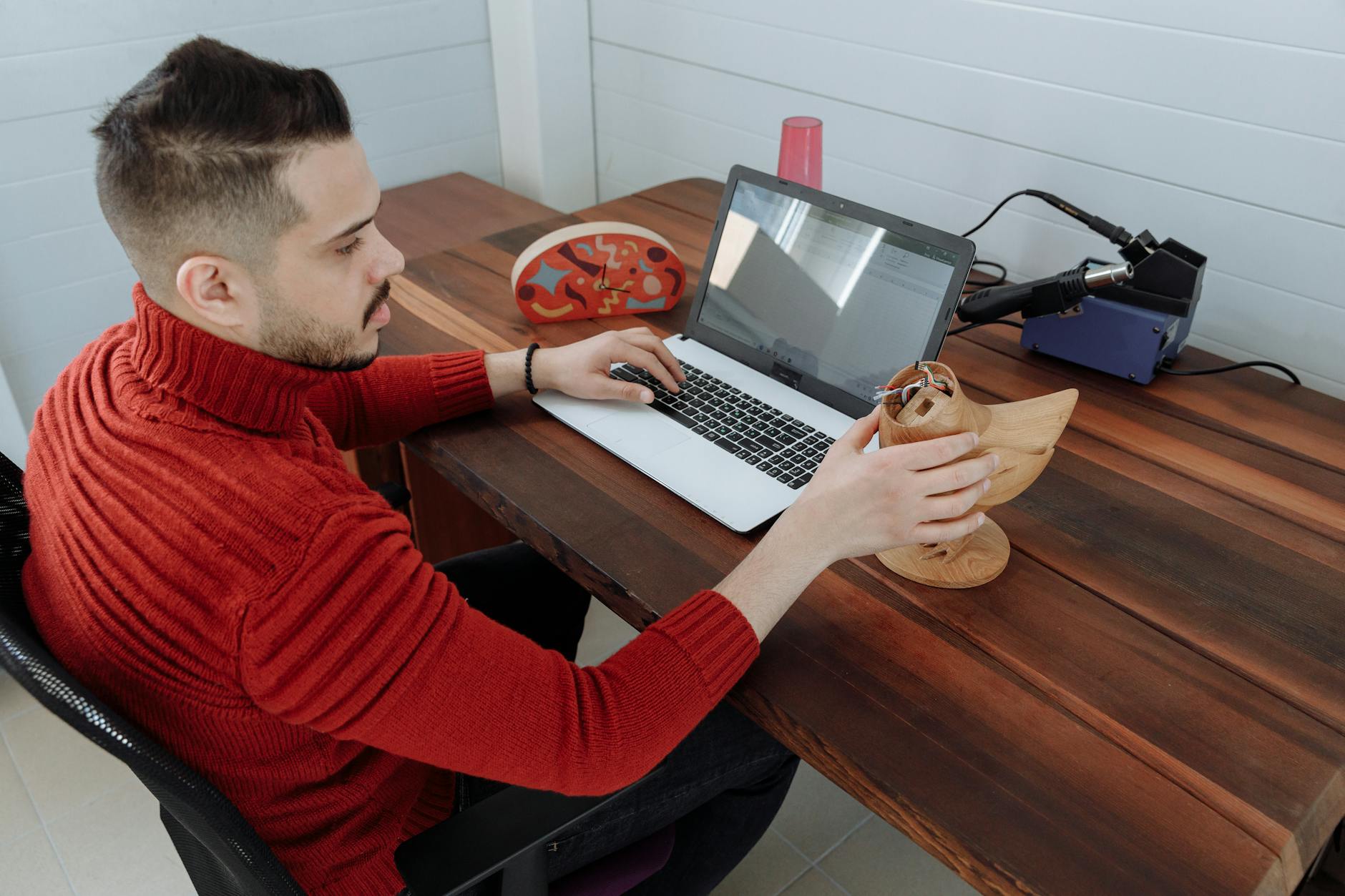
Functional Testing: 3D printed prototypes aren’t just for show. You can use them to conduct real-world functional testing. Evaluate how your product performs under different conditions, identify potential weaknesses, and make necessary adjustments to improve its performance and reliability. This hands-on testing is invaluable for ensuring your product meets the needs of your target market.
Choosing Your 3D Printing Path: In-House vs. Outsourcing
Now that you’re sold on the benefits of 3D printing, you need to decide whether to invest in your own 3D printer or outsource your printing needs to a service provider. Both options have their pros and cons.
In-House 3D Printing: Buying your own 3D printer gives you complete control over the printing process. You can iterate quickly, experiment with different materials, and maintain confidentiality. However, it also requires a significant upfront investment in equipment, software, and training. You’ll also need to factor in the cost of maintenance, materials, and potentially hiring a dedicated operator.
Outsourcing to a 3D Printing Service: Partnering with a rapid prototyping service offers several advantages. You gain access to a wider range of 3D printing technologies and materials without the need for a large capital investment. You can also leverage the expertise of experienced technicians who can help you optimize your designs for 3D printing. Outsourcing can be a more cost-effective option, especially in the early stages of your startup when your printing needs are relatively low. Prodimode.com offers rapid prototyping services to help startups like yours.
The best choice depends on your budget, printing volume, and technical expertise. Consider starting with outsourcing and gradually bringing printing in-house as your needs grow.
Beyond Prototyping: 3D Printing for Manufacturing
While 3D printing is fantastic for prototyping, it can also be used for low-volume manufacturing and even mass customization. For startups, this opens up exciting possibilities.
Low-Volume Production: 3D printing allows you to produce small batches of your product on demand, without the need for expensive tooling or minimum order quantities. This is ideal for testing the market, fulfilling pre-orders, or creating limited-edition products.
Mass Customization: 3D printing enables you to create products that are tailored to individual customer preferences. This is a powerful differentiator in today’s competitive market. Imagine offering personalized versions of your product with different colors, sizes, or features. 3D printing makes this a reality.
Bridge Manufacturing: 3D printing can serve as a “bridge” between prototyping and mass production. You can use it to produce initial quantities of your product while you’re setting up traditional manufacturing processes. This allows you to start generating revenue and building brand awareness sooner.
Consider the scalability of your chosen 3D printing method as your business grows. While it may be perfect for initial runs, you might need to transition to other manufacturing techniques for larger volumes.
Design Considerations for 3D Printing
Designing for 3D printing is different from designing for traditional manufacturing methods. Here are some key considerations:
Design for Additive Manufacturing (DfAM): Understand the limitations and capabilities of the 3D printing process you’re using. Design your product to take advantage of the unique features of 3D printing, such as complex geometries and internal structures.
Material Selection: Choose a material that is appropriate for your product’s intended use. Consider factors such as strength, flexibility, heat resistance, and chemical compatibility.
Orientation and Support Structures: The orientation of your part during printing can affect its strength, surface finish, and printing time. Support structures may be needed to support overhanging features, but they can also leave marks on the surface of your part. Optimize the orientation and support structures to minimize these issues.
Tolerances and Accuracy: 3D printing has limitations in terms of tolerances and accuracy. Design your product with these limitations in mind, and consider post-processing steps to improve the dimensional accuracy of your parts.
Cost Optimization Strategies
Keeping costs down is crucial for any startup. Here are some strategies to optimize the cost of 3D printing:
Design Optimization: Optimize your design to minimize material usage and printing time. Simplify complex geometries, reduce wall thicknesses, and hollow out solid parts.
Material Selection: Choose the most cost-effective material that meets your product’s requirements. Consider using lower-cost materials for prototyping and more expensive materials for final production.
Print Settings: Adjust your print settings to optimize speed and quality. Experiment with different layer heights, infill densities, and support structures to find the best balance between cost and performance.
Bulk Ordering: If you’re using a 3D printing service, consider placing bulk orders to take advantage of volume discounts.
Consider print orientation and part consolidation. Careful consideration of how the part is oriented and whether multiple parts can be combined into a single print can significantly reduce costs.
Key Takeaways
- 3D printing for startups
- Product prototyping
- Consumer product manufacturing
- Rapid prototyping service
- Startup manufacturing