
How 3D Printing Is Disrupting the Spare Parts Industry
On-demand manufacturing is transforming how we source and manage spare parts, creating unprecedented efficiency and resilience.
The Dawn of On-Demand Spare Parts
The spare parts industry has long been plagued by inefficiencies: large inventories, obsolescence, long lead times, and complex logistics. Traditional manufacturing processes often require minimum order quantities, making it expensive to produce small batches of specialized parts. However, a new paradigm is emerging, driven by the transformative power of 3D printing and on-demand manufacturing. This shift is not just about faster production; it represents a fundamental change in how we think about sourcing, storing, and distributing spare parts.
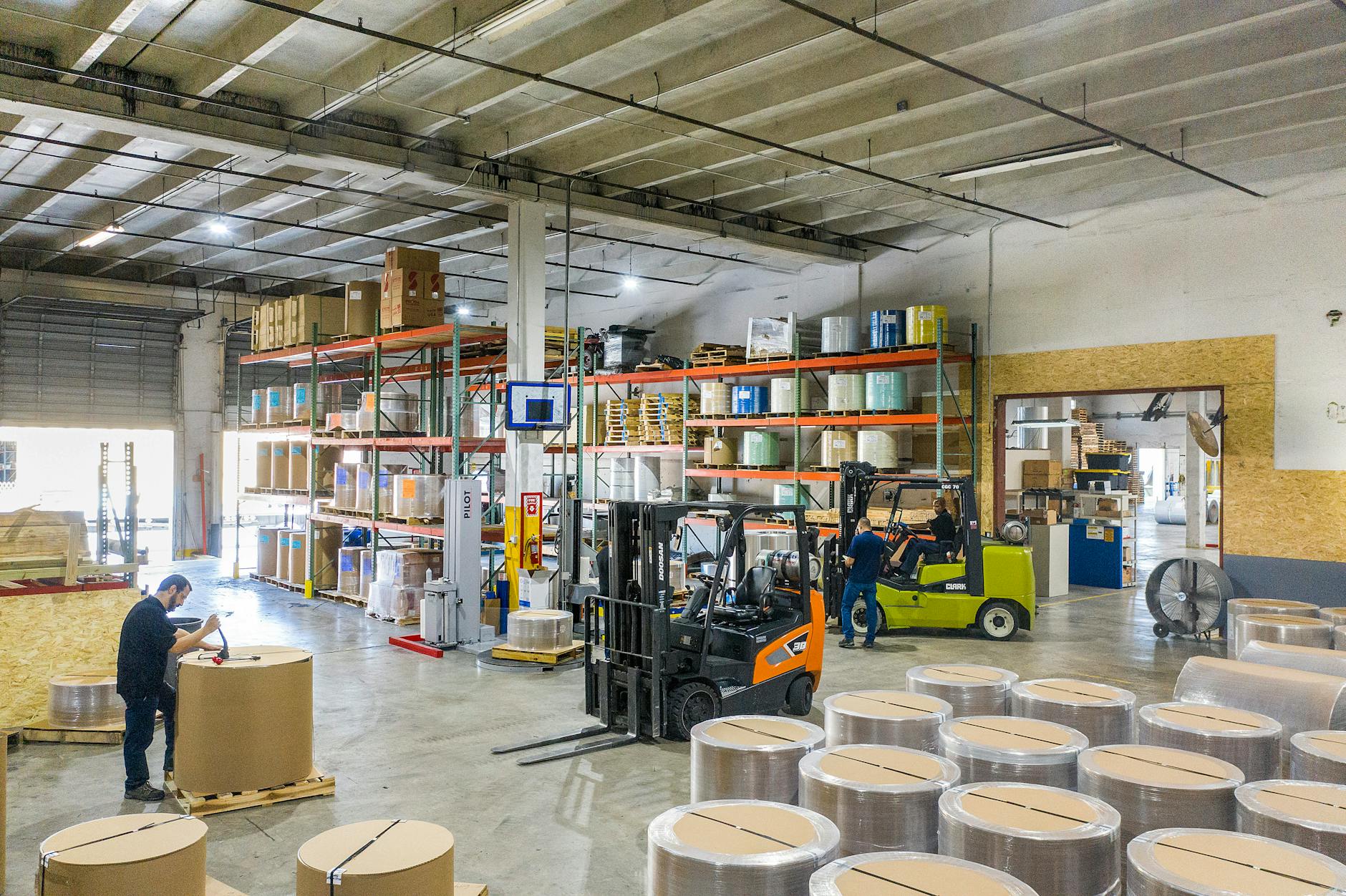
On-demand manufacturing allows companies to produce parts only when they are needed, eliminating the need for vast warehouses filled with slow-moving inventory. This approach significantly reduces carrying costs, minimizes waste from obsolete parts, and enables faster response times to customer demands. Imagine a world where a critical machine component can be produced and delivered within hours, rather than weeks or months. This is the promise of 3D printing in the spare parts industry.
Building a Digital Inventory with 3D Printing
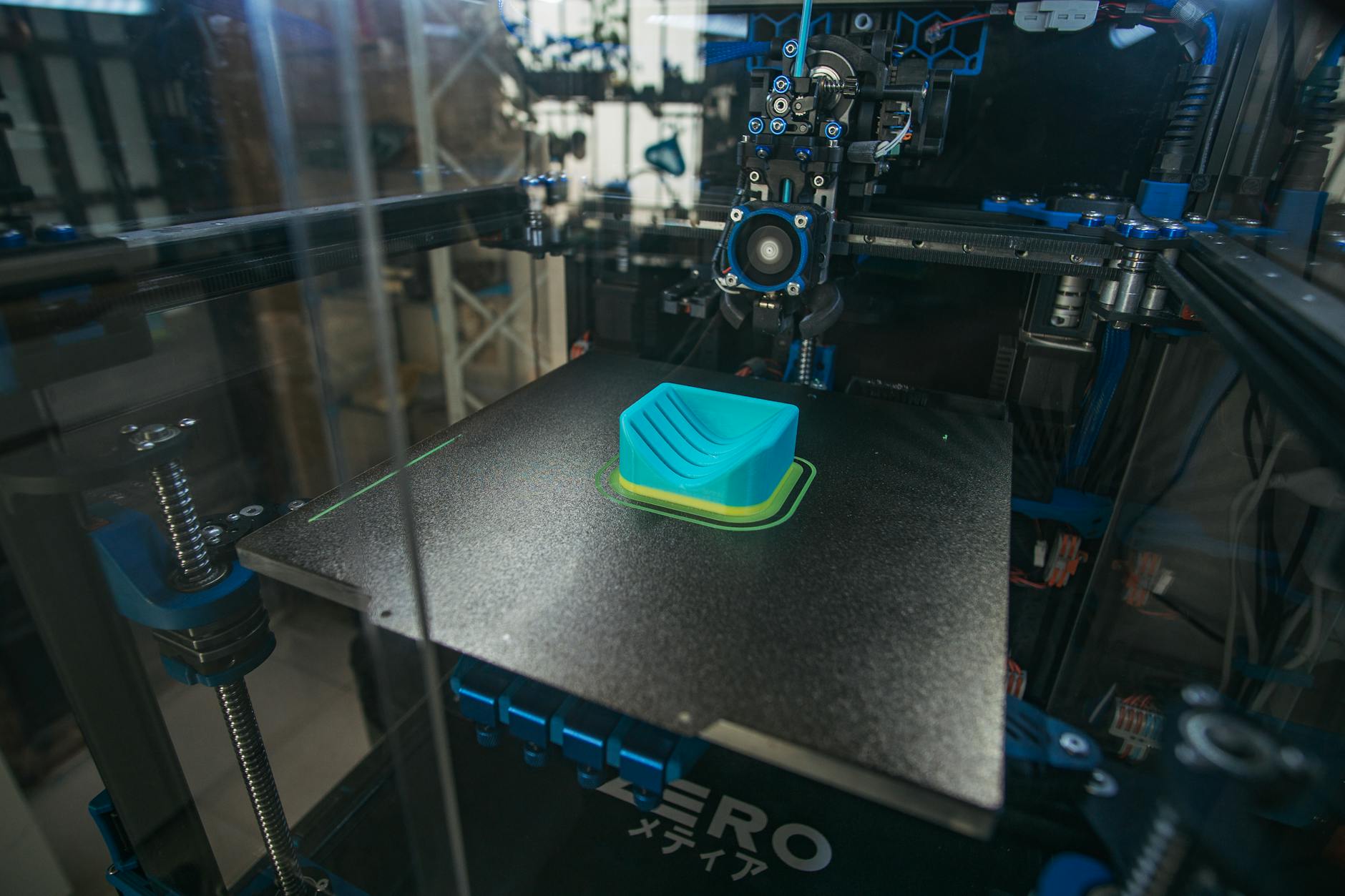
At the heart of this revolution lies the concept of a digital inventory. Instead of physically storing thousands of spare parts, companies can maintain a digital library of CAD files and 3D printing parameters. When a part is needed, the file is simply sent to a 3D printer, and the part is produced on-demand. This approach offers several key advantages. First, it eliminates the risk of obsolescence. Parts can be produced to the latest specifications, ensuring compatibility and optimal performance. Second, it enables customization and personalization. Companies can easily modify designs to meet specific customer requirements.
Furthermore, a digital inventory facilitates distributed manufacturing. Parts can be produced at multiple locations around the world, reducing shipping times and costs. This is particularly valuable for industries with global operations, such as aerospace, automotive, and marine. By leveraging a network of 3D printing facilities, companies can ensure that spare parts are always available, regardless of location.
Reshaping the Additive Manufacturing Supply Chain
The integration of 3D printing into the supply chain is transforming traditional models into agile, responsive networks. Additive manufacturing enables a more decentralized and localized approach to production. This reduces reliance on long and complex supply chains, making companies more resilient to disruptions. For example, during times of crisis, such as natural disasters or pandemics, 3D printing can be used to produce critical spare parts locally, mitigating the impact of supply chain bottlenecks.
Moreover, 3D printing fosters greater collaboration between manufacturers, suppliers, and customers. Digital files can be easily shared and modified, enabling faster design iterations and improved communication. This collaborative approach can lead to more innovative solutions and better customer service. The shift towards additive manufacturing also creates new opportunities for smaller businesses and entrepreneurs. With access to 3D printing technology, they can compete with larger companies and offer specialized spare parts to niche markets.
Benefits Beyond Cost Savings
While cost reduction is a significant driver of 3D printing adoption in the spare parts industry, the benefits extend far beyond simple savings. Consider the environmental impact. On-demand manufacturing reduces waste by producing only what is needed. It also minimizes the carbon footprint associated with shipping and storage. By producing parts locally, companies can significantly reduce their transportation emissions.
Furthermore, 3D printing enables the creation of more sustainable and durable parts. Advanced materials, such as high-performance polymers and metal alloys, can be used to produce parts that are lighter, stronger, and more resistant to wear and tear. This can extend the lifespan of equipment and reduce the need for frequent replacements. Finally, 3D printing empowers companies to innovate and experiment with new designs. It allows for rapid prototyping and testing, accelerating the development of new and improved spare parts.
Looking Ahead: The Future of Spare Parts
The disruption of the spare parts industry by 3D printing is only just beginning. As technology continues to advance and costs continue to fall, we can expect to see even wider adoption of on-demand manufacturing. In the future, we may see fully automated 3D printing factories that can produce a wide range of spare parts with minimal human intervention. These factories will be seamlessly integrated with digital inventory systems and supply chain networks, enabling real-time monitoring and optimization.
We can also expect to see the development of new materials and printing techniques that will further expand the capabilities of 3D printing. This will allow for the production of more complex and functional spare parts, opening up new possibilities for product design and performance. The convergence of 3D printing, artificial intelligence, and the Internet of Things will create a truly connected and intelligent spare parts ecosystem. This ecosystem will be able to predict demand, optimize production, and ensure that spare parts are always available when and where they are needed.
Key Takeaways
- On-demand manufacturing
- 3D printing spare parts
- Digital inventory
- Additive manufacturing supply chain
- Spare parts
- 3D printing