
3D Printing vs. Traditional Manufacturing: A Detailed Cost Comparison
A comprehensive analysis of when additive manufacturing wins on cost, and when traditional methods still reign supreme.
Understanding the Cost Drivers in 3D Printing
3D printing, also known as additive manufacturing, offers a unique approach to creating parts layer by layer. This process boasts advantages in design complexity and customization but comes with its own set of cost considerations. The primary cost drivers in 3D printing include material costs, machine operation expenses (electricity, maintenance), labor, and post-processing. Material costs can vary significantly depending on the type of filament, resin, or powder used, with specialized materials often commanding a premium. Machine operation includes not just the electricity to run the printer but also the cost of replacing worn parts and performing regular maintenance. Labor is involved in setting up the print job, monitoring its progress, and removing the finished part. Post-processing, such as support removal, surface finishing, and painting, can add significantly to the overall cost, especially for high-precision or aesthetically demanding parts.
The initial investment in 3D printing equipment is also a factor. While desktop 3D printers are relatively affordable, industrial-grade machines capable of producing high-quality parts with engineering-grade materials can cost tens or even hundreds of thousands of dollars. The choice of 3D printing technology (FDM, SLA, SLS, etc.) also impacts the cost, with each technology having its own strengths and weaknesses in terms of material compatibility, accuracy, and speed. Understanding these cost drivers is crucial for accurately assessing the economic viability of 3D printing for a specific application.
Traditional Manufacturing Cost Components: CNC Machining as an Example
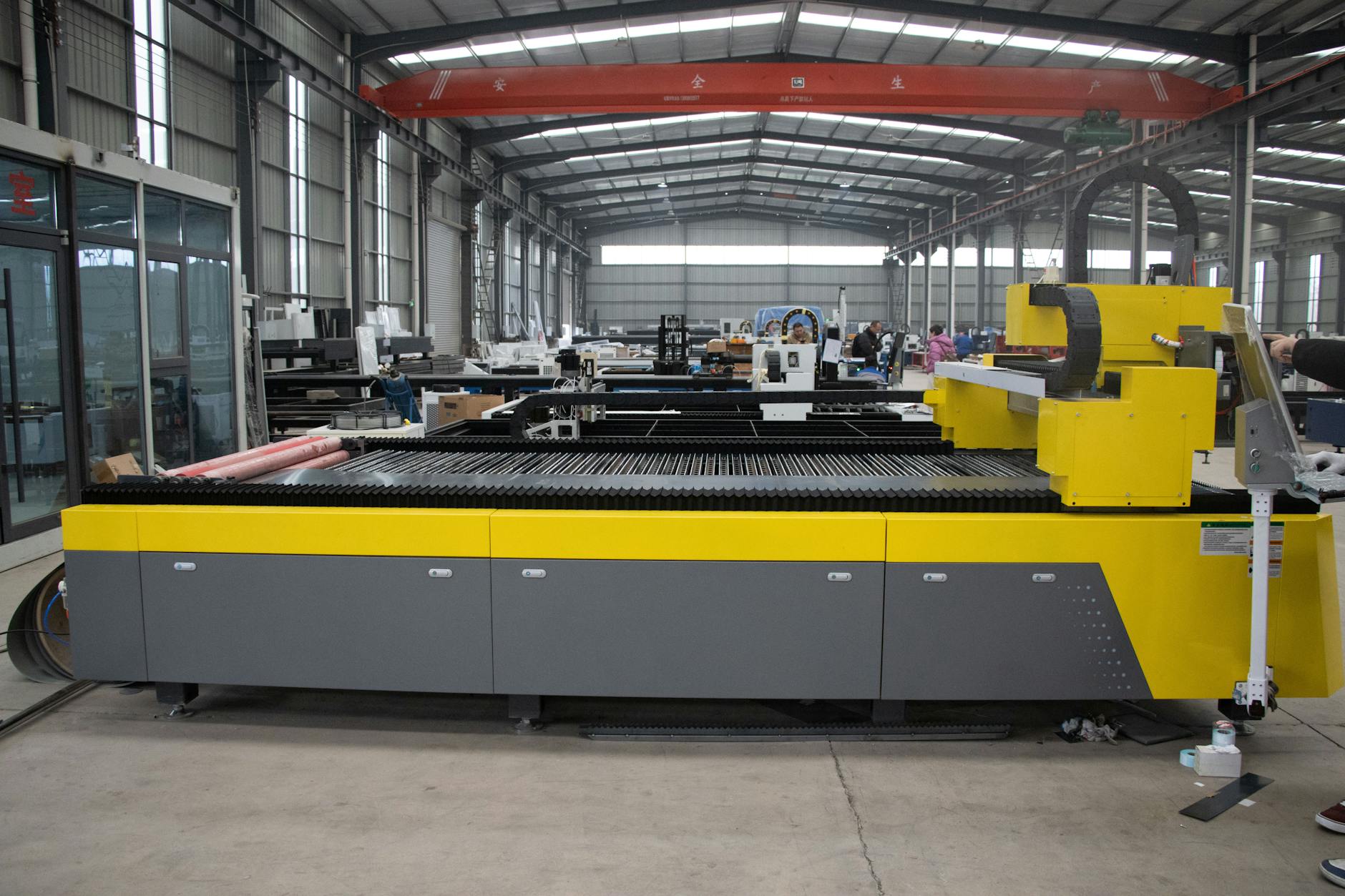
Traditional manufacturing encompasses a wide range of processes, including CNC machining, injection molding, casting, and forging. These methods typically involve subtractive or formative processes, where material is removed or shaped to create the desired part. Taking CNC machining as a representative example, the cost structure includes raw material costs, machining time, tooling costs, setup costs, and labor. Raw material costs depend on the type and quantity of material used, with metals like aluminum and steel being common choices. Machining time is a critical factor, as it directly impacts the machine’s utilization rate and associated overhead. Tooling costs refer to the cost of cutting tools, such as end mills and drills, which need to be replaced periodically. Setup costs involve the time and effort required to program the CNC machine and prepare it for the production run. Labor is involved in operating the machine, monitoring the process, and performing quality control.
Unlike 3D printing, traditional manufacturing methods often benefit from economies of scale. The initial investment in tooling and setup can be high, but the cost per part decreases as the production volume increases. This is because the fixed costs are spread over a larger number of parts. However, traditional manufacturing methods can be less flexible than 3D printing in terms of design changes and customization. Modifying a design may require creating new tooling, which can be expensive and time-consuming. Therefore, the decision to use traditional manufacturing depends on the production volume, design complexity, and required precision.

Cost Comparison: Low-Volume Production & Prototyping
For low-volume production and prototyping, 3D printing often presents a compelling cost advantage. The absence of tooling costs and the ability to rapidly iterate designs make it an ideal choice for creating prototypes and small batches of parts. With 3D printing, design changes can be implemented quickly and easily by simply modifying the digital model and printing a new part. This allows for rapid prototyping and testing, which can significantly reduce development time and costs. In contrast, traditional manufacturing methods require the creation of specialized tooling for each design iteration, which can be expensive and time-consuming, especially for complex geometries. The lead time for creating tooling can also be a significant factor, delaying the prototyping process.
Consider a scenario where you need to create 10 prototypes of a complex mechanical component. Using CNC machining would require designing and manufacturing custom fixtures and cutting tools, which could cost thousands of dollars and take several weeks. With 3D printing, you could print the same 10 prototypes in a matter of days for a fraction of the cost. However, it’s important to note that the material properties and surface finish of 3D-printed parts may not always match those of traditionally manufactured parts. Therefore, it’s crucial to carefully consider the specific requirements of the application when choosing between 3D printing and traditional manufacturing for prototyping.
Cost Comparison: High-Volume Production
As production volume increases, traditional manufacturing methods often become more cost-effective than 3D printing. The initial investment in tooling and setup can be amortized over a large number of parts, resulting in a lower cost per part. Traditional methods like injection molding are particularly well-suited for high-volume production of plastic parts, while die casting is commonly used for metal parts. These processes can produce parts quickly and efficiently, with consistent quality and tight tolerances. In contrast, 3D printing can become prohibitively expensive for high-volume production due to the relatively slow printing speeds and the need for post-processing. The cost of materials can also be a significant factor, as 3D printing materials tend to be more expensive than those used in traditional manufacturing.
For example, consider a scenario where you need to produce 10,000 identical plastic parts. Injection molding would likely be the most cost-effective option, as the cost of creating the mold can be spread over the large production run. With 3D printing, you would need to print each part individually, which would be time-consuming and expensive. However, there are exceptions to this rule. For example, if the parts have highly complex geometries or require customization, 3D printing may still be a viable option, even at higher volumes. The break-even point between 3D printing and traditional manufacturing depends on a variety of factors, including the part geometry, material requirements, production volume, and desired quality.
Beyond Unit Cost: Intangible Benefits and Strategic Considerations
While unit cost is a primary factor in choosing a manufacturing method, it’s crucial to consider intangible benefits and strategic implications. 3D printing offers advantages like design flexibility, rapid prototyping, and on-demand manufacturing, which can be invaluable in certain situations. For example, if you need to create highly customized parts or produce parts with complex geometries, 3D printing may be the only viable option, regardless of the cost. Similarly, if you need to quickly respond to changing market demands or launch new products, 3D printing can provide a significant competitive advantage.
Furthermore, 3D printing can enable new business models, such as mass customization and distributed manufacturing. Mass customization allows you to tailor products to individual customer needs, while distributed manufacturing enables you to produce parts closer to the point of use, reducing transportation costs and lead times. These strategic considerations can outweigh the higher unit cost of 3D printing in certain cases. Conversely, traditional manufacturing methods offer advantages like high-volume production capacity, established supply chains, and a wide range of material options. The choice between 3D printing and traditional manufacturing should be based on a holistic assessment of all relevant factors, including cost, performance, and strategic goals.
Key Takeaways
- 3D printing cost
- Manufacturing cost comparison
- CNC vs 3D printing cost
- Prototype pricing
- Additive manufacturing
- Traditional manufacturing