The Future of Manufacturing: Additive and Digital Fabrication Trends
Explore how additive and digital fabrication are reshaping industries and creating unprecedented opportunities.
The Dawn of a New Manufacturing Era
The manufacturing landscape is undergoing a seismic shift, driven by the convergence of additive manufacturing (AM), digital fabrication, and groundbreaking technological advancements. We are moving beyond traditional subtractive methods towards a future where customized, on-demand production is not just a possibility, but a reality. This transformation is fueled by the relentless pursuit of efficiency, sustainability, and innovation, promising a more agile, resilient, and responsive manufacturing ecosystem.
Digital fabrication technologies, including 3D printing, CNC machining, and laser cutting, are becoming increasingly sophisticated and accessible. This democratization of manufacturing power empowers businesses of all sizes to create intricate designs, rapidly prototype new products, and personalize offerings to meet specific customer needs. Imagine a world where supply chains are streamlined, waste is minimized, and products are tailored to individual requirements. This is the promise of the future of manufacturing.
AI-Powered Quoting: Streamlining the Manufacturing Process
Artificial intelligence (AI) is revolutionizing numerous aspects of manufacturing, and one of the most impactful applications is in quoting and estimation. Traditional quoting processes are often time-consuming, complex, and prone to human error. AI-powered quoting systems are changing this paradigm by automating the analysis of design specifications, material costs, and production parameters. These systems can generate accurate and competitive quotes in a fraction of the time, enabling manufacturers to respond quickly to customer inquiries and secure more business.
Furthermore, AI algorithms can learn from past projects, continuously refining their quoting accuracy and identifying opportunities for cost optimization. This intelligent approach not only improves efficiency but also enhances transparency and fosters stronger relationships between manufacturers and their clients. The integration of AI into the quoting process represents a significant step towards a more data-driven and efficient manufacturing ecosystem.
Imagine a future where designers can upload their CAD files and receive instant, accurate quotes from multiple manufacturers, all powered by sophisticated AI algorithms. This seamless integration of design and manufacturing will accelerate product development cycles and unlock new levels of innovation.
Sustainability at the Forefront: Eco-Friendly Manufacturing Practices
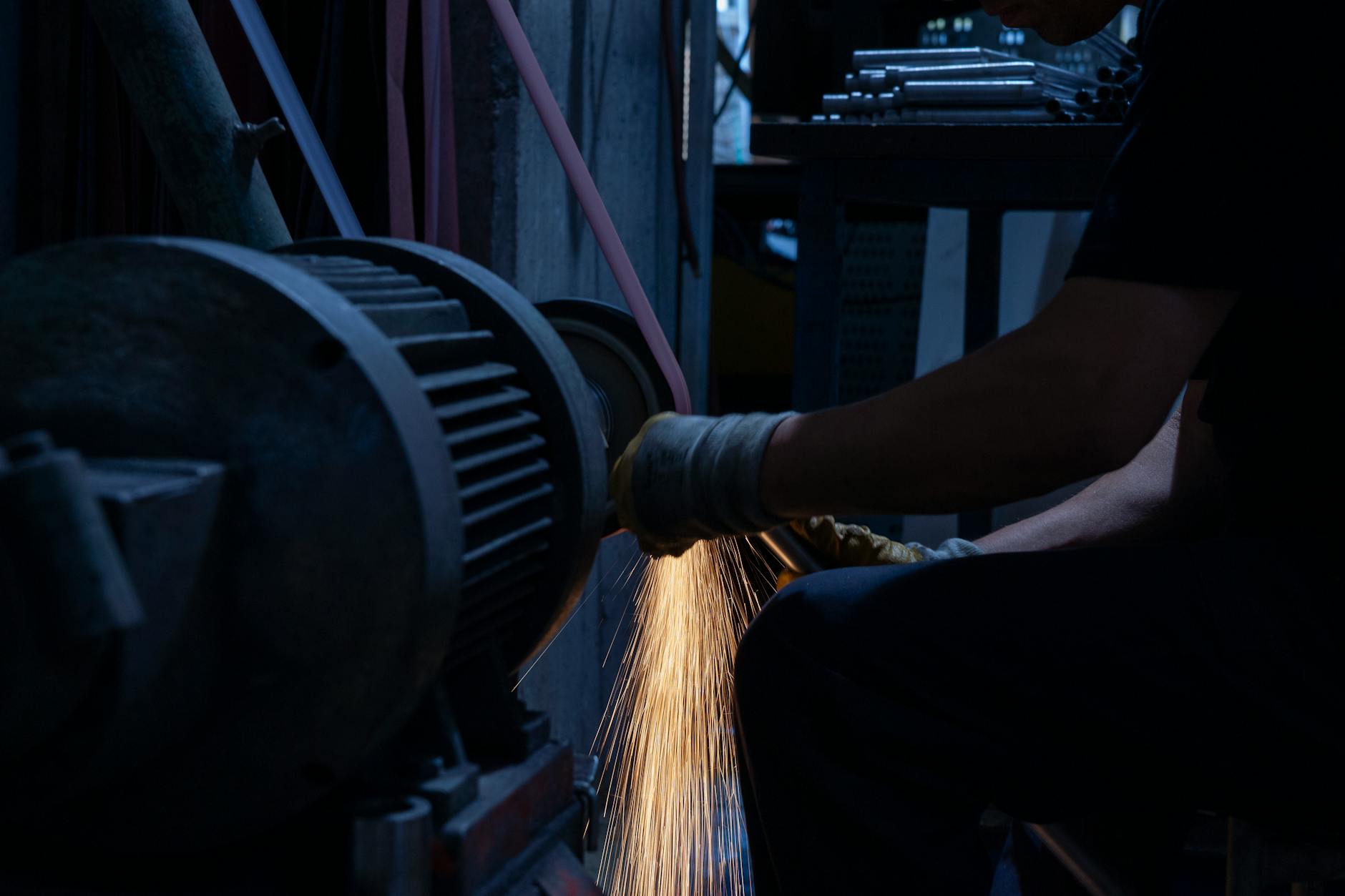
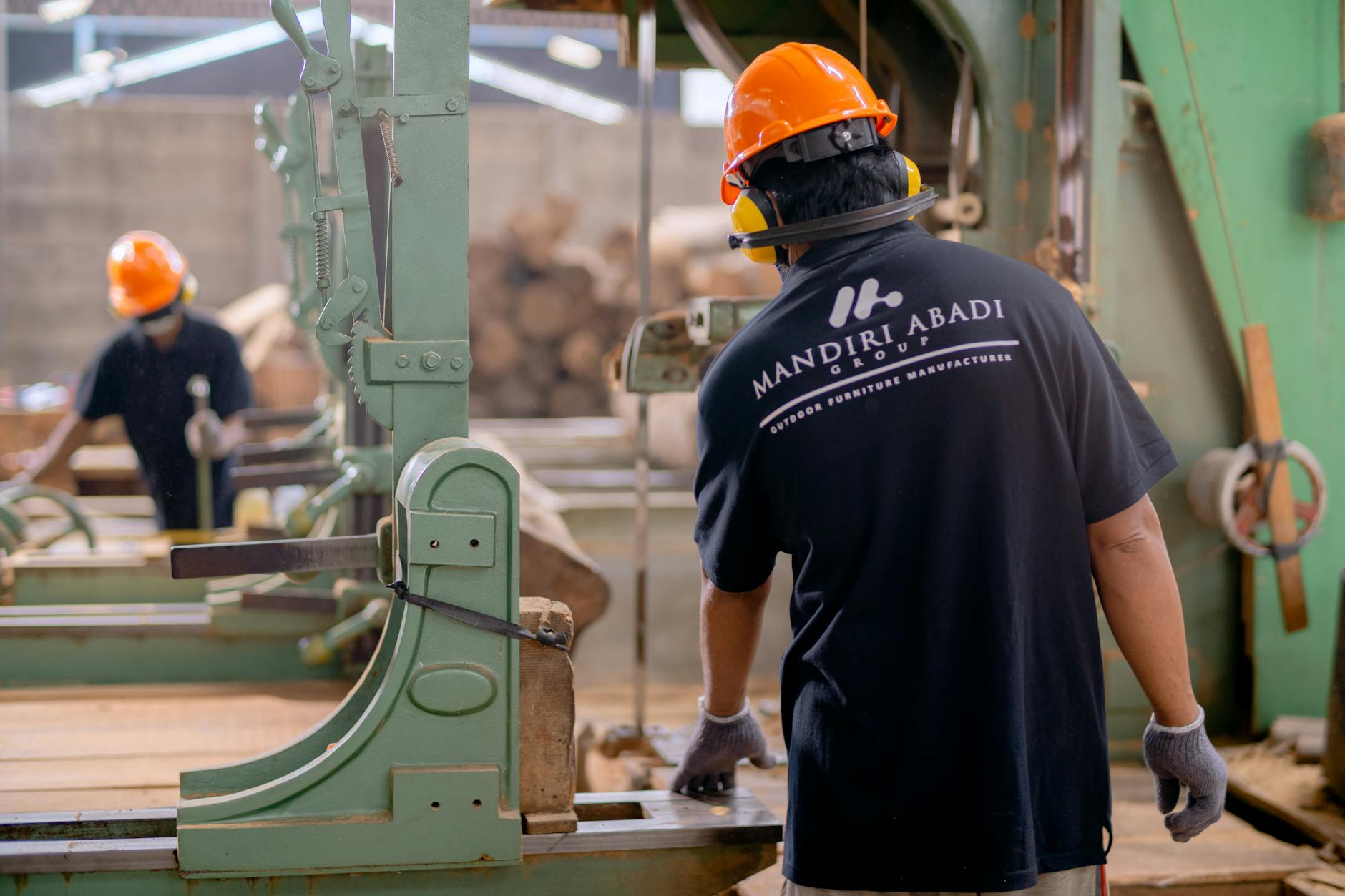
Sustainability is no longer an optional consideration in manufacturing; it is a fundamental imperative. The industry is facing increasing pressure to reduce its environmental footprint, minimize waste, and adopt more eco-friendly practices. Additive manufacturing plays a crucial role in this transition by enabling the creation of lightweight designs, reducing material consumption, and optimizing resource utilization.
Furthermore, the development of sustainable materials, such as bio-based polymers and recycled metals, is paving the way for a more circular economy in manufacturing. By embracing these innovative materials and processes, manufacturers can significantly reduce their reliance on fossil fuels and minimize their impact on the environment. The future of manufacturing is inextricably linked to sustainability, and companies that prioritize eco-friendly practices will be best positioned for long-term success.
Consider the potential of localized manufacturing, where products are produced closer to the point of consumption, reducing transportation costs and emissions. Additive manufacturing facilitates this decentralized model, empowering communities and fostering a more resilient and sustainable global supply chain.
Advanced Materials: Unlocking New Possibilities
The development of new and advanced materials is a critical driver of innovation in manufacturing. From high-performance polymers to lightweight composites and shape-memory alloys, these materials are enabling the creation of products with enhanced functionality, durability, and performance characteristics. Additive manufacturing is particularly well-suited for processing these advanced materials, allowing manufacturers to create complex geometries and intricate designs that would be impossible to achieve with traditional methods.
Imagine a future where products are customized at the molecular level, with materials tailored to specific applications and performance requirements. This level of control and precision will unlock unprecedented opportunities for innovation across a wide range of industries, from aerospace and automotive to healthcare and consumer goods. The convergence of additive manufacturing and advanced materials is poised to revolutionize the way we design, manufacture, and use products.
Furthermore, research into self-healing materials and smart materials is opening up exciting new possibilities for creating products that can adapt to their environment and repair themselves autonomously. These advancements will lead to more durable, resilient, and sustainable products, further extending their lifespan and reducing the need for replacement.
Digital Twins: Virtualizing the Manufacturing Process
Digital twins, virtual representations of physical assets or systems, are rapidly gaining traction in the manufacturing industry. These digital replicas allow manufacturers to simulate and optimize processes, predict potential failures, and improve overall efficiency. By creating a virtual model of a manufacturing facility or a specific piece of equipment, engineers can analyze performance data, identify bottlenecks, and make data-driven decisions to enhance productivity and reduce downtime.
The integration of digital twins with additive manufacturing is particularly powerful, enabling manufacturers to optimize designs for printability, simulate the printing process, and predict the final product’s performance. This virtual testing and validation can significantly reduce the time and cost associated with traditional prototyping methods, accelerating the product development cycle and improving the quality of the final product.
Consider the potential of using digital twins to train operators and technicians in a safe and controlled virtual environment. This immersive training can improve skills, reduce errors, and enhance overall workforce productivity. The adoption of digital twins is a key enabler of the smart factory, where data and technology are used to optimize every aspect of the manufacturing process.
The Road Ahead: Embracing the Future of Manufacturing
The future of manufacturing is bright, filled with opportunities for innovation, growth, and sustainability. By embracing additive manufacturing, digital fabrication, AI-powered solutions, and advanced materials, manufacturers can unlock unprecedented levels of efficiency, agility, and customization. The key to success lies in embracing a culture of continuous learning, experimentation, and collaboration.
As we move towards a more interconnected and data-driven manufacturing ecosystem, it is essential to invest in workforce development and training programs to equip employees with the skills they need to thrive in this new environment. By fostering a skilled and adaptable workforce, manufacturers can ensure that they are well-positioned to capitalize on the opportunities presented by the future of manufacturing. The journey towards the future of manufacturing is a collaborative effort, requiring partnerships between industry, academia, and government to drive innovation and accelerate the adoption of new technologies.
Key Takeaways
- Future of manufacturing
- Additive manufacturing trends
- Digital fabrication
- Manufacturing technology 2025
- AI quoting
- Sustainable manufacturing
- Advanced materials