Powder Coating vs. Anodizing: Choosing the Right Finish for Your CNC Aluminum Parts
A detailed comparison to help you select the optimal surface treatment for your aluminum components.
Understanding Powder Coating and Anodizing
When it comes to finishing CNC machined aluminum parts, powder coating and anodizing are two popular choices. Both processes enhance the surface properties of aluminum, but they do so in fundamentally different ways. Understanding these differences is crucial for selecting the right finish for your specific application.
Powder coating is an electrostatic process where a dry, free-flowing powder is applied to the aluminum surface. The part is then baked, causing the powder to melt and form a durable, protective layer. Powder coating provides a thick, even coating that is resistant to scratches, corrosion, and fading. It is available in a wide range of colors and finishes, including glossy, matte, and textured options.
Anodizing, on the other hand, is an electrochemical process that converts the aluminum surface into a decorative, durable, corrosion-resistant, anodic oxide finish. This process integrates the coating into the aluminum, resulting in an exceptionally strong bond. Anodizing is known for its excellent wear resistance and ability to maintain the aluminum’s natural metallic appearance. While color options are more limited compared to powder coating, anodizing offers unique aesthetic possibilities, such as brushed or dyed finishes.
Durability and Corrosion Resistance
Durability is a key consideration when selecting a finish for CNC aluminum parts. Both powder coating and anodizing offer enhanced protection compared to unfinished aluminum, but their performance characteristics differ.
Powder coating provides a thick, resilient barrier against impacts and abrasion. Its multi-layered structure helps to absorb shocks and prevent scratches from reaching the underlying aluminum. Powder coating also offers excellent corrosion resistance, particularly in harsh environments. However, if the coating is damaged, it can chip or peel, potentially exposing the aluminum to corrosion.
Anodizing, due to its integral bond with the aluminum substrate, offers exceptional wear resistance. The anodic layer is incredibly hard and resistant to scratching and abrasion. Anodizing also provides excellent corrosion resistance, but its performance can vary depending on the specific anodizing process and the alloy of aluminum used. While anodizing is less prone to chipping than powder coating, it can be susceptible to staining or discoloration in certain environments.
Aesthetics and Color Options
The aesthetic appeal of a finish is often a significant factor in the decision-making process. Both powder coating and anodizing offer a range of aesthetic options, but they differ in their capabilities.
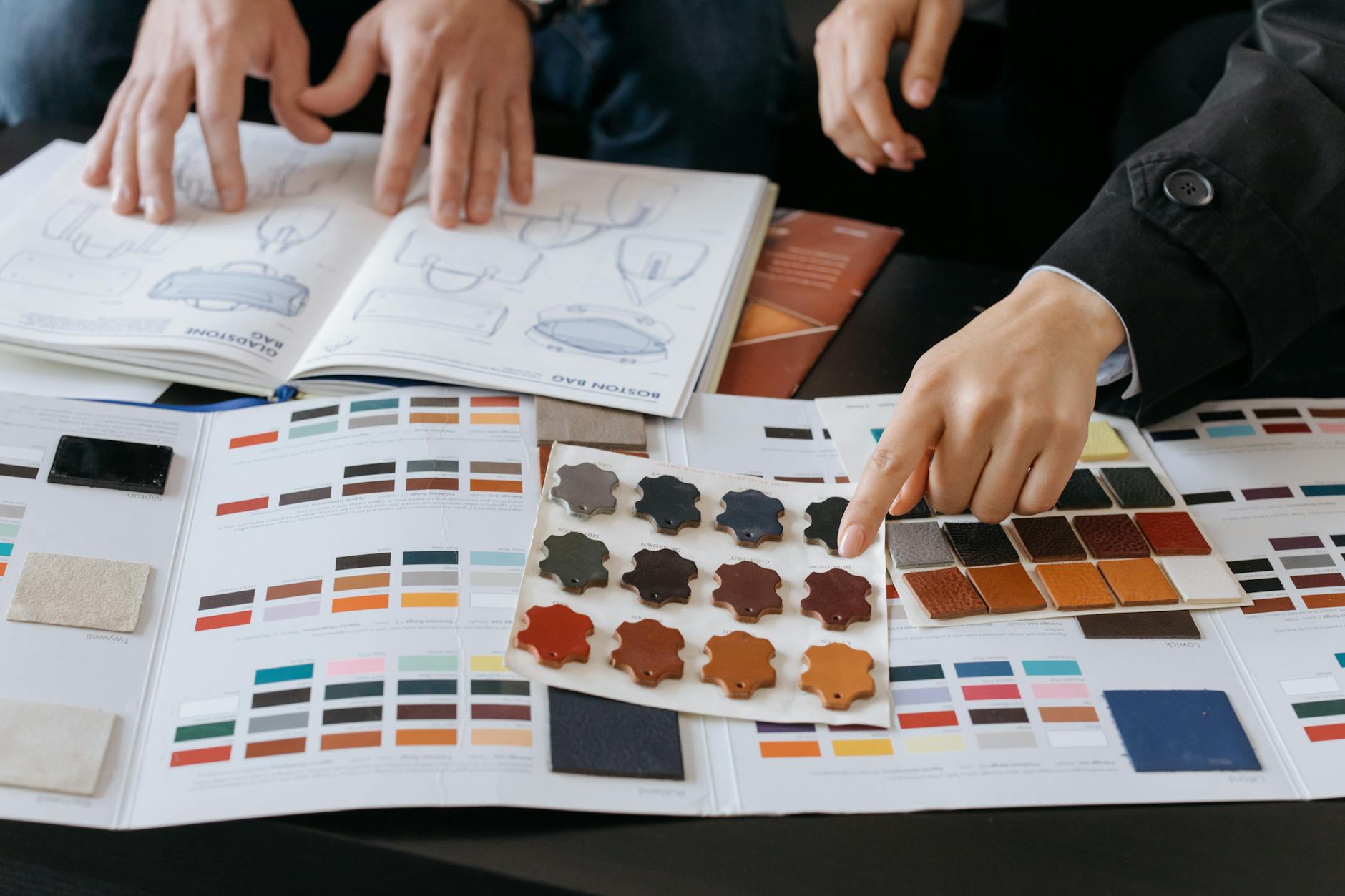
Powder coating excels in its vast color palette. Virtually any color can be achieved with powder coating, including custom colors and special effects. Powder coating also offers a variety of finishes, such as glossy, matte, textured, and metallic. This versatility makes powder coating an excellent choice for applications where color matching and visual appeal are paramount.
Anodizing, while more limited in color options, offers a unique metallic appearance. The anodic layer is translucent, allowing the natural luster of the aluminum to shine through. Anodizing can be dyed in a range of colors, but the colors tend to be more muted and metallic than powder-coated colors. Anodizing also offers the possibility of creating brushed or polished finishes, enhancing the metallic aesthetic. This makes anodizing a popular choice for applications where a sleek, modern, and high-end look is desired.
Cost Considerations
Cost is always a factor when choosing a finishing process. The cost of powder coating and anodizing can vary depending on several factors, including the size and complexity of the part, the volume of parts being finished, and the specific requirements of the finish.
Generally, powder coating tends to be more cost-effective than anodizing, especially for large parts or high-volume production runs. The powder coating process is relatively simple and efficient, requiring less specialized equipment and expertise. However, the cost of powder coating can increase if multiple coats are required or if complex masking is necessary.
Anodizing typically has a higher upfront cost due to the more complex electrochemical process and the need for specialized equipment and skilled technicians. The cost of anodizing can also vary depending on the type of anodizing process used (e.g., Type II, Type III) and the specific requirements of the finish. However, anodizing can be more cost-effective in the long run due to its superior durability and wear resistance, reducing the need for replacement or refinishing.
Application and Suitability
The best choice between powder coating and anodizing depends heavily on the specific application and the desired properties of the finished part. Consider these factors:
- Environment: For harsh environments with high exposure to chemicals or abrasion, powder coating might offer superior protection. For environments where wear resistance is critical, anodizing is often preferred.
- Aesthetics: If a wide range of colors and finishes are needed, powder coating is the better choice. If a metallic look and enhanced surface hardness are desired, anodizing excels.
- Budget: Powder coating is often more economical for large parts or high-volume runs. However, consider the long-term cost savings from anodizing’s durability.
- Part Function: For parts requiring tight tolerances, anodizing is generally preferred as it adds a thinner layer compared to powder coating.
Carefully evaluate these factors to determine which finishing process will best meet your needs and provide the optimal combination of performance, aesthetics, and cost.
Key Takeaways
- Powder coating vs anodizing
- Aluminum finishing
- CNC part coating
- Surface treatment comparison
- Aluminum parts
- Metal finishing
- Anodizing process
- Powder coating process