
How to Choose the Right 3D Printing Material for Your Part
A practical guide to selecting the optimal material for your 3D printing project, ensuring functionality and durability.
Understanding Material Properties for 3D Printing
Selecting the right 3D printing material is paramount to the success of your project. The material dictates the part’s strength, flexibility, temperature resistance, and overall aesthetic. Before diving into specific materials, it’s crucial to understand key properties that influence your choice. Consider these factors:
- Tensile Strength: The material’s ability to withstand pulling forces.
- Flexural Modulus: A measure of stiffness and resistance to bending.
- Impact Strength: The capacity to absorb sudden shocks without fracturing.
- Heat Deflection Temperature (HDT): The temperature at which a material begins to deform under load.
- Chemical Resistance: The material’s ability to withstand exposure to various chemicals.
- Surface Finish: The texture and appearance of the final printed part.
By carefully evaluating these properties in relation to your part’s intended application, you can narrow down your material options and ensure optimal performance.
Plastics: Versatile and Affordable
Plastics are the most commonly used materials in 3D printing due to their affordability, ease of use, and wide range of properties. Two popular options are PLA (Polylactic Acid) and ABS (Acrylonitrile Butadiene Styrene).
PLA is a biodegradable thermoplastic derived from renewable resources like cornstarch or sugarcane. It is known for its low printing temperature, minimal warping, and excellent surface finish, making it ideal for prototyping, educational projects, and decorative objects. However, PLA has lower heat resistance and impact strength compared to other plastics.
ABS is a petroleum-based plastic that offers higher strength, heat resistance, and impact resistance than PLA. It is suitable for functional parts, enclosures, and automotive components. However, ABS requires a heated build plate and enclosure to prevent warping and emits fumes during printing, necessitating proper ventilation.
Beyond PLA and ABS, other plastics like PETG (Polyethylene Terephthalate Glycol) offer a balance of strength, flexibility, and ease of printing, making them a versatile choice for various applications.

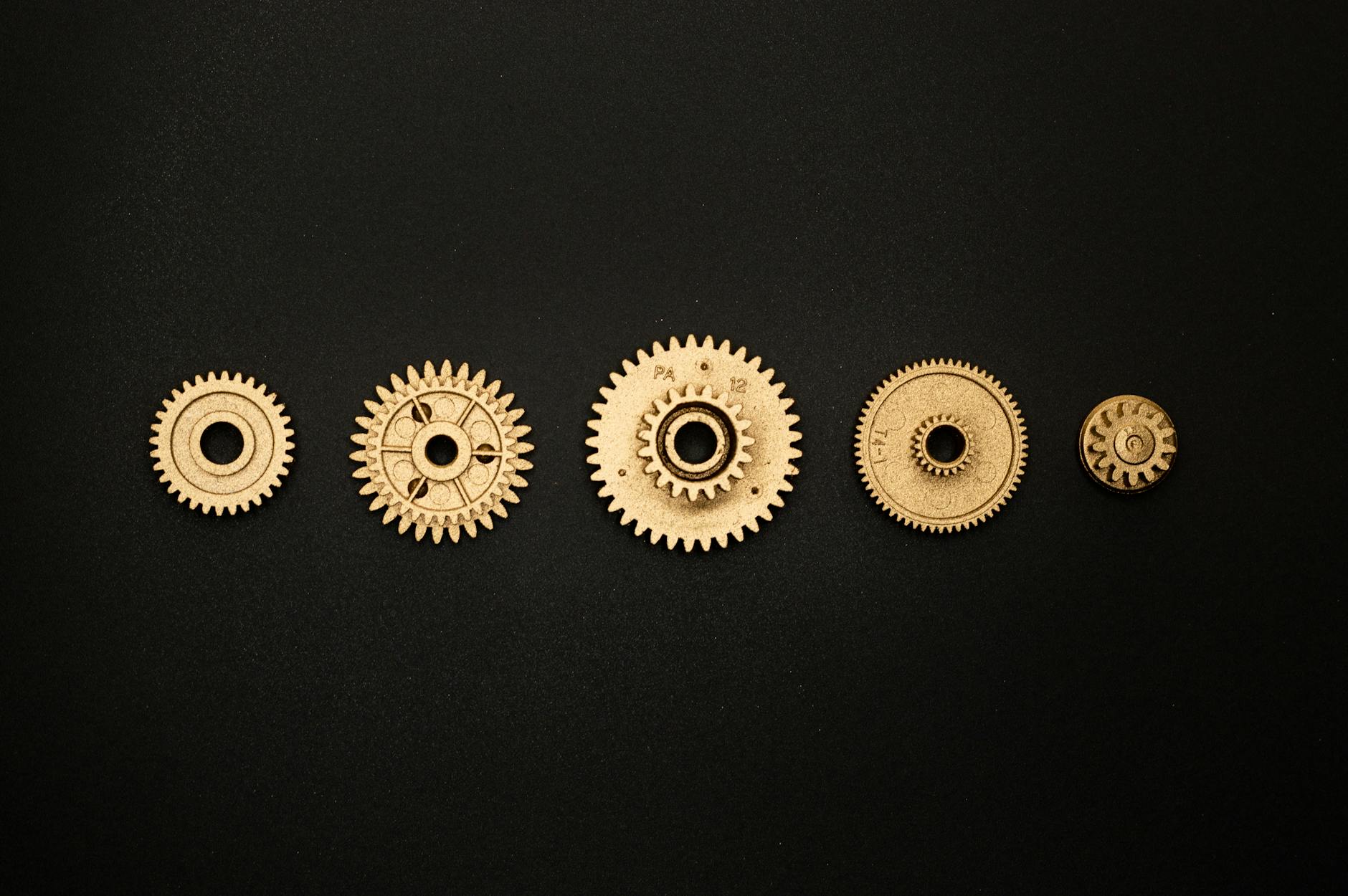
Nylon: Strength and Durability
Nylon, also known as polyamide, is a family of synthetic polymers characterized by their exceptional strength, durability, and resistance to wear and tear. In 3D printing, nylon is an excellent choice for creating functional prototypes, end-use parts, and components that require high tensile strength and flexibility.
Nylon’s inherent flexibility allows it to withstand repeated bending and flexing without cracking or breaking, making it ideal for hinges, clips, and living hinges. It also boasts good chemical resistance, making it suitable for applications involving exposure to oils, solvents, and other chemicals.
However, nylon is hygroscopic, meaning it readily absorbs moisture from the air. This can lead to printing issues like warping and stringing. To mitigate this, nylon filament should be stored in a dry environment and dried before printing. Additionally, nylon typically requires higher printing temperatures and a heated build plate to ensure proper adhesion.
Different types of nylon, such as Nylon 6 and Nylon 12, offer varying degrees of strength, flexibility, and moisture resistance, allowing you to tailor your material selection to your specific application requirements.
Resins: High Detail and Smooth Surfaces
Resin 3D printing, also known as stereolithography (SLA) or digital light processing (DLP), utilizes liquid photopolymers that are cured by UV light to create highly detailed and accurate parts. Resins offer exceptional surface finish, fine feature resolution, and the ability to produce complex geometries, making them ideal for jewelry, dental models, and intricate prototypes.
Resins come in a wide variety of formulations, each with specific properties. Standard resins are suitable for general-purpose printing, while tough resins offer increased strength and impact resistance. Flexible resins allow for the creation of bendable and elastic parts, and castable resins are designed for investment casting processes.
However, resin 3D printing requires post-processing, including washing the parts in isopropyl alcohol to remove uncured resin and curing them under UV light to fully harden the material. Resins can also be more brittle than other 3D printing materials and may not be suitable for high-stress applications.
When selecting a resin, consider the desired mechanical properties, chemical resistance, and biocompatibility requirements of your part. Also, be aware that some resins can be more expensive than other 3D printing materials.
Metals: Strength and Durability for End-Use Parts
Metal 3D printing, also known as powder bed fusion, enables the creation of strong, durable, and functional parts from a variety of metals, including aluminum, stainless steel, titanium, and nickel alloys. Metal 3D printing is used in aerospace, automotive, medical, and other industries to produce complex geometries, lightweight structures, and customized components.
Metal 3D printing processes, such as selective laser melting (SLM) and direct metal laser sintering (DMLS), involve melting and fusing metal powder layer by layer using a laser or electron beam. This allows for the creation of parts with intricate internal structures and geometries that are impossible to manufacture using traditional methods.
Metal 3D printed parts offer excellent strength, heat resistance, and wear resistance, making them suitable for demanding applications. However, metal 3D printing is typically more expensive than other 3D printing methods and requires specialized equipment and expertise.
When selecting a metal for 3D printing, consider the desired mechanical properties, corrosion resistance, and biocompatibility requirements of your part. Also, be aware that the surface finish of metal 3D printed parts may require post-processing, such as machining or polishing, to achieve the desired smoothness and accuracy.
Making the Final Decision
Choosing the right 3D printing material involves a careful evaluation of your project’s requirements, including the part’s intended function, operating environment, and desired mechanical properties. Consider the factors discussed in this guide, such as strength, flexibility, heat resistance, chemical resistance, and surface finish, to narrow down your options.
Don’t hesitate to experiment with different materials and printing parameters to optimize your results. Consider ordering sample prints from 3D printing service providers to test different materials and compare their performance. By taking a systematic approach to material selection, you can ensure that your 3D printed parts meet your expectations and perform reliably in their intended applications.
Remember to always prioritize safety when working with 3D printing materials. Follow the manufacturer’s instructions for handling, storage, and disposal of materials, and ensure proper ventilation when printing with materials that emit fumes.
Key Takeaways
- 3D printing materials
- Nylon printing
- Resin 3D printing
- Best material for 3D printing
- 3D printing guide