Prototype vs. Pilot Run vs. Production Run: Understanding Manufacturing Phases
Demystifying the critical stages from initial design to mass manufacturing.
The Prototype Phase: Validating Your Core Concept
The prototype phase is the initial stage of bringing a product idea to life. It’s all about creating a tangible representation of your concept to test its core functionality and feasibility. Prototypes are not intended for sale or mass production; instead, they serve as learning tools. Engineers and designers use them to identify design flaws, material weaknesses, and potential manufacturing challenges early in the development process.
There are different types of prototypes, ranging from low-fidelity models made from readily available materials to high-fidelity prototypes that closely resemble the final product. The choice depends on the specific goals of the prototyping stage. For example, a low-fidelity prototype might be used to test the ergonomics of a product, while a high-fidelity prototype could be used to evaluate its performance and user experience. 3D printing, CNC machining, and hand-built models are common prototyping techniques. The key is to iterate quickly based on feedback and testing, refining the design until it meets the desired specifications and performance criteria.
The number of prototypes created varies depending on the complexity of the product and the number of design iterations required. It’s not unusual to go through several rounds of prototyping before moving on to the next phase.
The Pilot Run: Gearing Up for Production
Once the prototype has been thoroughly tested and refined, the next step is the pilot run. This phase focuses on scaling up manufacturing processes and validating the production line. Unlike prototypes, pilot runs involve producing a limited quantity of the product using the intended manufacturing equipment and processes. The goal is to identify and resolve any bottlenecks, inefficiencies, or quality control issues that may arise during mass production.
A pilot run is essentially a dress rehearsal for full-scale production. It allows the manufacturing team to fine-tune the production process, optimize cycle times, and establish quality control procedures. It also helps to estimate production costs more accurately and identify any potential supply chain disruptions. The quantity of units produced during a pilot run is typically larger than the number of prototypes, but significantly smaller than a full production run. These units may be used for further testing, marketing samples, or regulatory approvals.
Data collection is crucial during the pilot run. Detailed records should be kept of all aspects of the manufacturing process, including cycle times, defect rates, material usage, and labor costs. This data will be invaluable for optimizing the production process and ensuring consistent quality during mass production.
The Production Run: Mass Manufacturing and Distribution
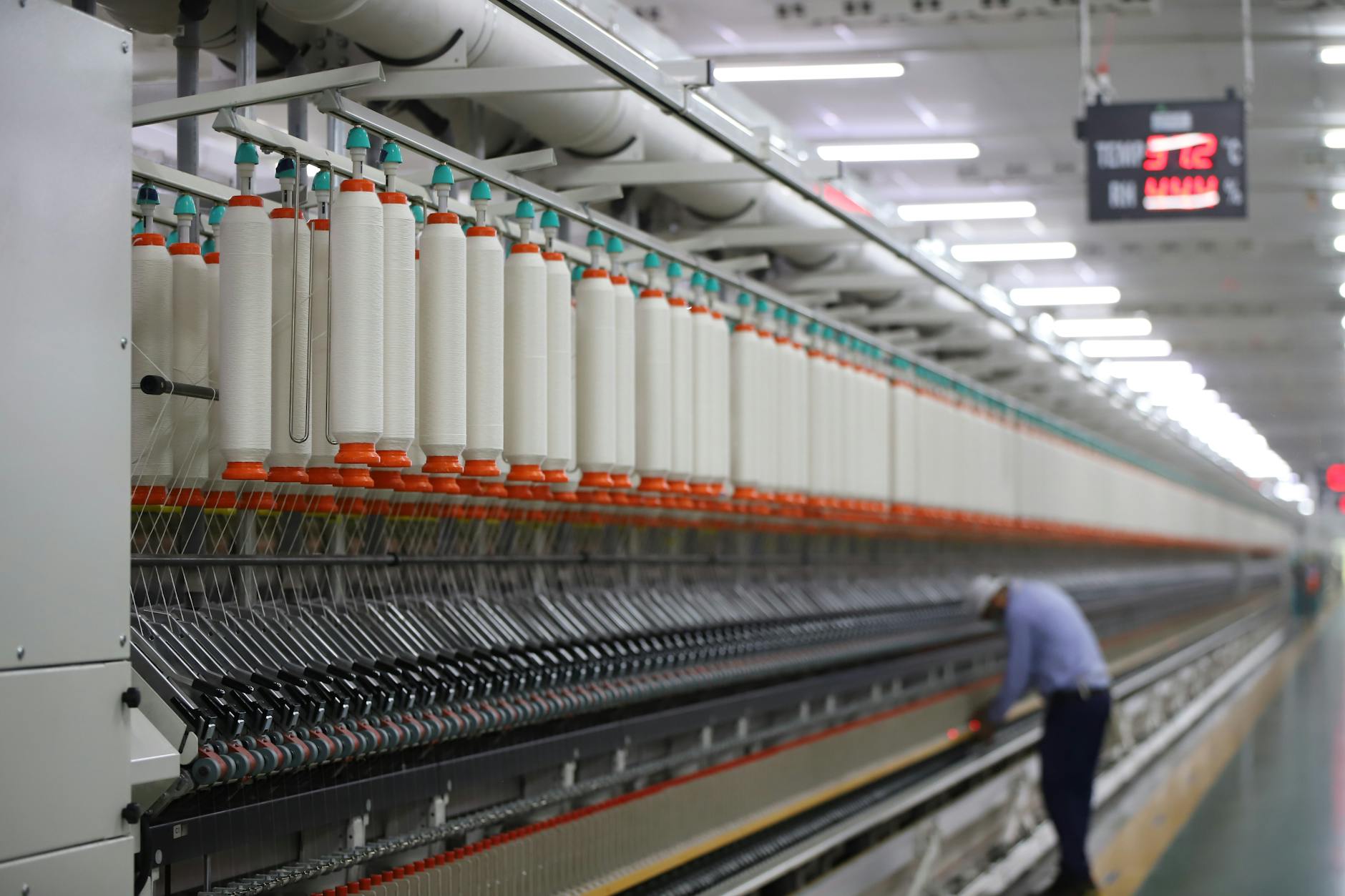
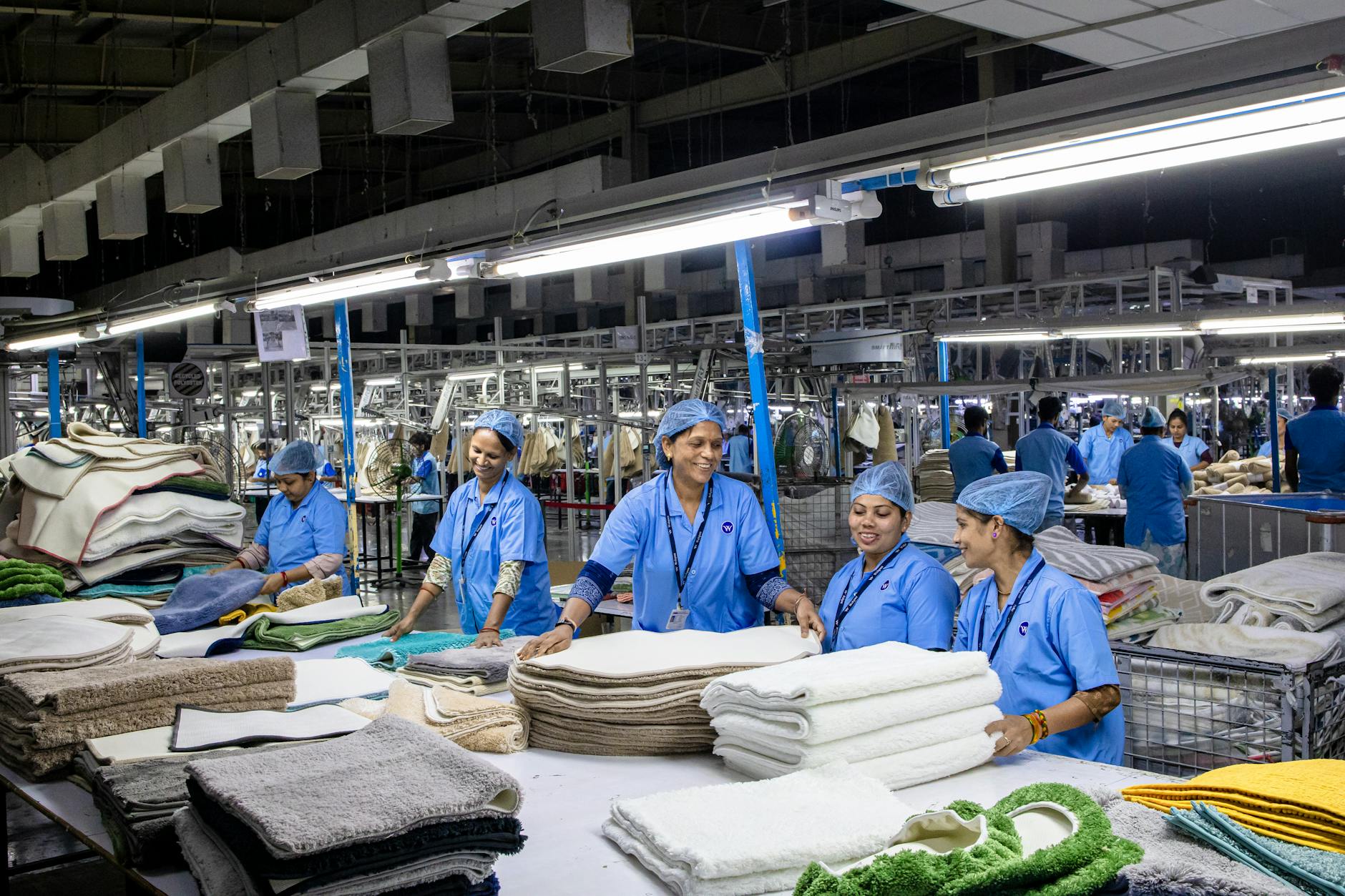
The production run is the final stage of the manufacturing process, where the product is manufactured in large quantities for sale to customers. This phase involves using the optimized manufacturing processes and quality control procedures established during the pilot run. The goal is to produce high-quality products consistently and efficiently, while minimizing costs and maximizing throughput.
Production runs typically involve a significant investment in tooling, equipment, and materials. Careful planning and coordination are essential to ensure a smooth and efficient production process. This includes managing the supply chain, scheduling production runs, and implementing quality control measures at every stage of the process. Continuous monitoring and improvement are also crucial during the production run. Data should be collected and analyzed regularly to identify opportunities for optimization and to address any quality issues that may arise.
The success of a production run depends on the effectiveness of the preceding prototype and pilot run phases. Thorough testing and refinement during the prototype phase, followed by careful optimization of the manufacturing process during the pilot run, will significantly increase the likelihood of a successful and profitable production run.
Key Differences Summarized: A Quick Reference Guide
To further clarify the distinctions between these phases, here’s a quick summary:
- Prototype: Focuses on validating the core concept and identifying design flaws. Low volume, often hand-built or 3D printed.
- Pilot Run: Focuses on validating the manufacturing process and optimizing production. Limited volume, using intended manufacturing equipment.
- Production Run: Focuses on mass manufacturing and distribution. High volume, optimized for efficiency and cost-effectiveness.
Understanding these differences is crucial for effective product development and manufacturing. Each phase serves a distinct purpose and requires a different set of skills and resources. By carefully planning and executing each phase, engineers and product managers can increase the likelihood of bringing successful products to market.
Choosing the right manufacturing partner can be critical to the success of each stage. Look for partners with experience in prototyping, pilot runs, and full production, and a track record of delivering high-quality products on time and within budget.
The Role of Product Management in Each Phase
Product managers play a vital role in all three phases: prototype, pilot run, and production run. Their responsibilities evolve as the product moves through each stage.
During the prototype phase, product managers are responsible for defining the product requirements, gathering user feedback, and prioritizing features. They work closely with engineers and designers to ensure that the prototype meets the needs of the target market. They also manage the budget and timeline for the prototyping phase.
In the pilot run phase, product managers focus on validating the product-market fit and gathering data on manufacturing costs and quality. They work with the manufacturing team to identify and resolve any issues that arise during the pilot run. They also develop the go-to-market strategy and plan for the production run.
During the production run, product managers are responsible for managing the product lifecycle, monitoring sales and customer feedback, and identifying opportunities for improvement. They work with the marketing and sales teams to promote the product and drive revenue. They also manage the product roadmap and plan for future product releases.
Effective communication and collaboration are essential for product managers to succeed in each of these phases. They must be able to communicate the product vision to the engineering and manufacturing teams, gather feedback from users and stakeholders, and make informed decisions based on data and analysis.
Key Takeaways
- Prototype vs production
- Pilot run manufacturing
- Product development phases
- Manufacturing stages
- Product lifecycle
- Engineering
- Product management