
Sheet Metal Fabrication 101: Cutting, Bending, and Finishing Explained
A comprehensive introduction to sheet metal fabrication processes for engineers and buyers.
Understanding Sheet Metal Fabrication
Sheet metal fabrication is the process of transforming flat sheets of metal into desired shapes and structures. This versatile process is essential for creating a wide range of products across numerous industries, including aerospace, automotive, construction, and electronics. The process typically involves cutting, bending, and finishing operations to achieve the required dimensions and aesthetics. Understanding the basics of sheet metal fabrication is crucial for engineers and buyers to make informed decisions about material selection, manufacturing processes, and design considerations.
The choice of metal is a key consideration. Common materials include steel (various grades), aluminum, stainless steel, copper, and brass. Each material offers different properties in terms of strength, corrosion resistance, weldability, and cost. Design considerations such as bend radii, hole sizes, and tolerances also play a significant role in the manufacturability and final quality of the fabricated part. By grasping these fundamental aspects, engineers and buyers can optimize designs for efficient fabrication and achieve the desired performance characteristics.
Cutting Techniques: Laser Cutting and Beyond
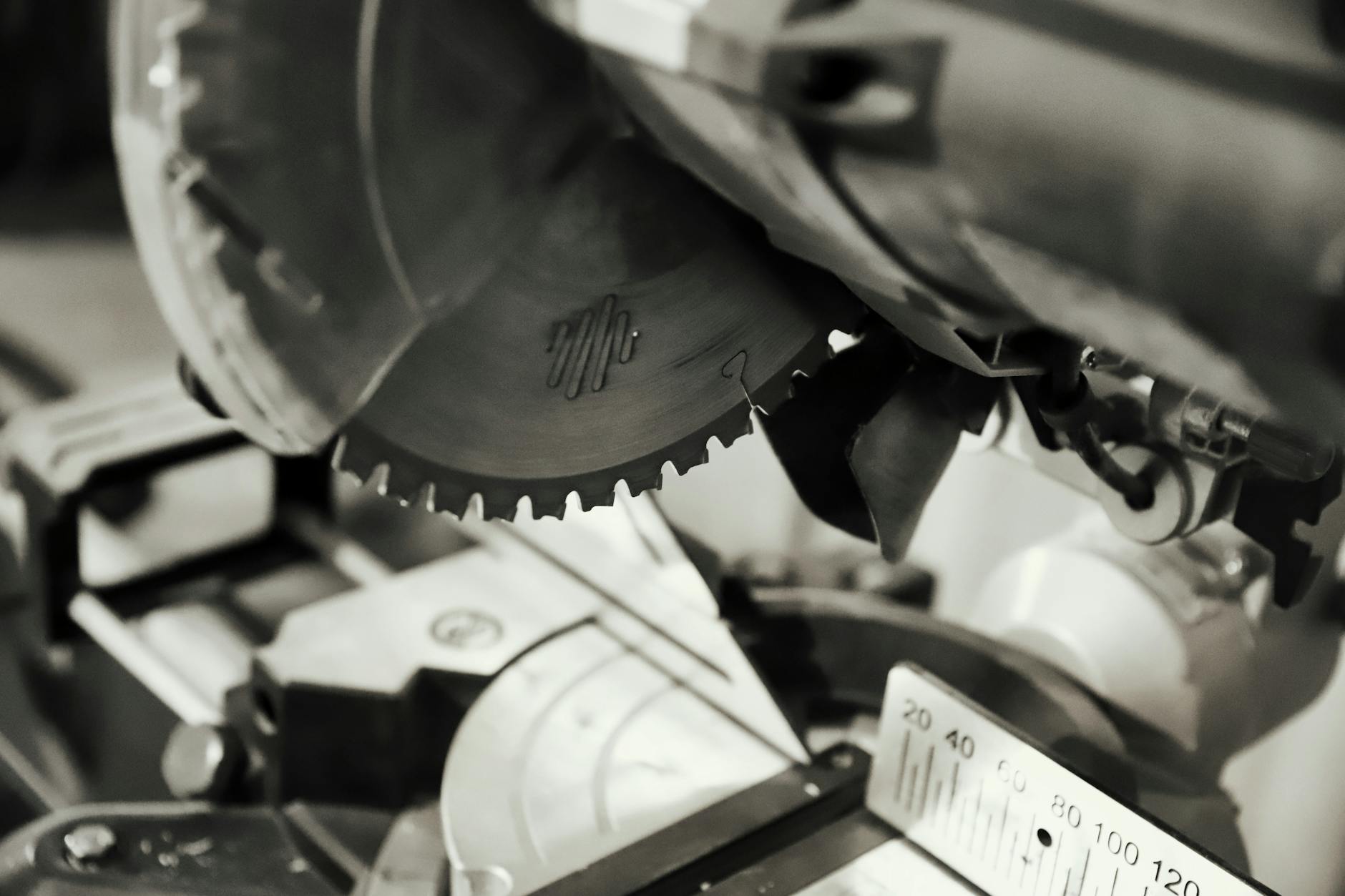
Cutting is the first critical step in sheet metal fabrication. Several methods exist, each with its own advantages and limitations. Laser cutting has emerged as a dominant technique due to its precision, speed, and versatility. A laser beam precisely cuts intricate shapes with minimal material waste and heat-affected zones. This makes it ideal for complex designs and tight tolerances. For example, Prodimode offers a cutting-edge laser cutting service.
Other cutting methods include punching, shearing, and plasma cutting. Punching uses a die and punch to create holes and shapes, suitable for high-volume production of simpler parts. Shearing involves using blades to cut straight lines, a cost-effective option for basic shapes. Plasma cutting utilizes a high-temperature plasma arc to cut thicker materials, offering a balance of speed and cost for certain applications. The choice of cutting method depends on factors such as material type, thickness, part complexity, and production volume.
Bending and Forming Sheet Metal
Bending is the process of shaping sheet metal into specific angles and forms without cutting or welding. Sheet metal bending is typically performed using press brakes, which apply controlled force to bend the metal along a predetermined line. The accuracy of bending is crucial for achieving the desired dimensions and functionality of the final product. Factors such as bend radius, material thickness, and grain direction must be carefully considered to prevent cracking or distortion during bending.
Other forming methods include rolling, stamping, and deep drawing. Rolling is used to create cylindrical or conical shapes by passing the sheet metal through a series of rollers. Stamping involves using a die and punch to form complex shapes in a single operation, suitable for high-volume production. Deep drawing is used to create cup-shaped or box-shaped parts by stretching the sheet metal over a die. Selecting the appropriate bending or forming method depends on the desired shape, material properties, and production volume.
Finishing: Enhancing Appearance and Protection
Finishing processes are applied to sheet metal parts to enhance their appearance, improve corrosion resistance, and provide specific functional properties. Common finishing techniques include powder coating, painting, plating, and anodizing. Powder coating involves applying a dry powder to the surface, which is then cured under heat to create a durable and uniform finish. Painting provides a wide range of color options and can be applied using various methods, such as spraying or dipping.
Plating involves depositing a thin layer of metal onto the surface to improve corrosion resistance, wear resistance, or conductivity. Anodizing is an electrochemical process that creates a protective oxide layer on aluminum surfaces, enhancing their durability and appearance. The choice of finishing method depends on the desired aesthetic, environmental conditions, and functional requirements of the final product. Proper surface preparation is essential for ensuring the adhesion and longevity of the finish.
Choosing a Metal Fabrication Partner in the USA
Selecting the right metal fabrication partner is crucial for ensuring the success of your project. When searching for metal fabrication USA services, consider factors such as experience, capabilities, quality control, and communication. Look for a company with a proven track record of delivering high-quality parts on time and within budget. Evaluate their capabilities in terms of cutting, bending, welding, and finishing processes to ensure they can meet your specific requirements.
Quality control is paramount, so inquire about their inspection procedures and certifications. Effective communication is also essential for a smooth and efficient collaboration. A reliable metal fabrication partner will provide clear and timely updates on the progress of your project and be responsive to your questions and concerns. By carefully evaluating these factors, you can choose a partner that will help you achieve your desired outcomes.
Key Takeaways
- Sheet metal fabrication
- Laser cutting service
- Sheet metal bending
- Metal fabrication USA
- Metal fabrication