What is CNC Milling and When is it Better Than 3D Printing?
Explore the capabilities of CNC milling and its advantages over 3D printing for specific manufacturing needs.
Understanding CNC Milling: A Subtractive Manufacturing Process
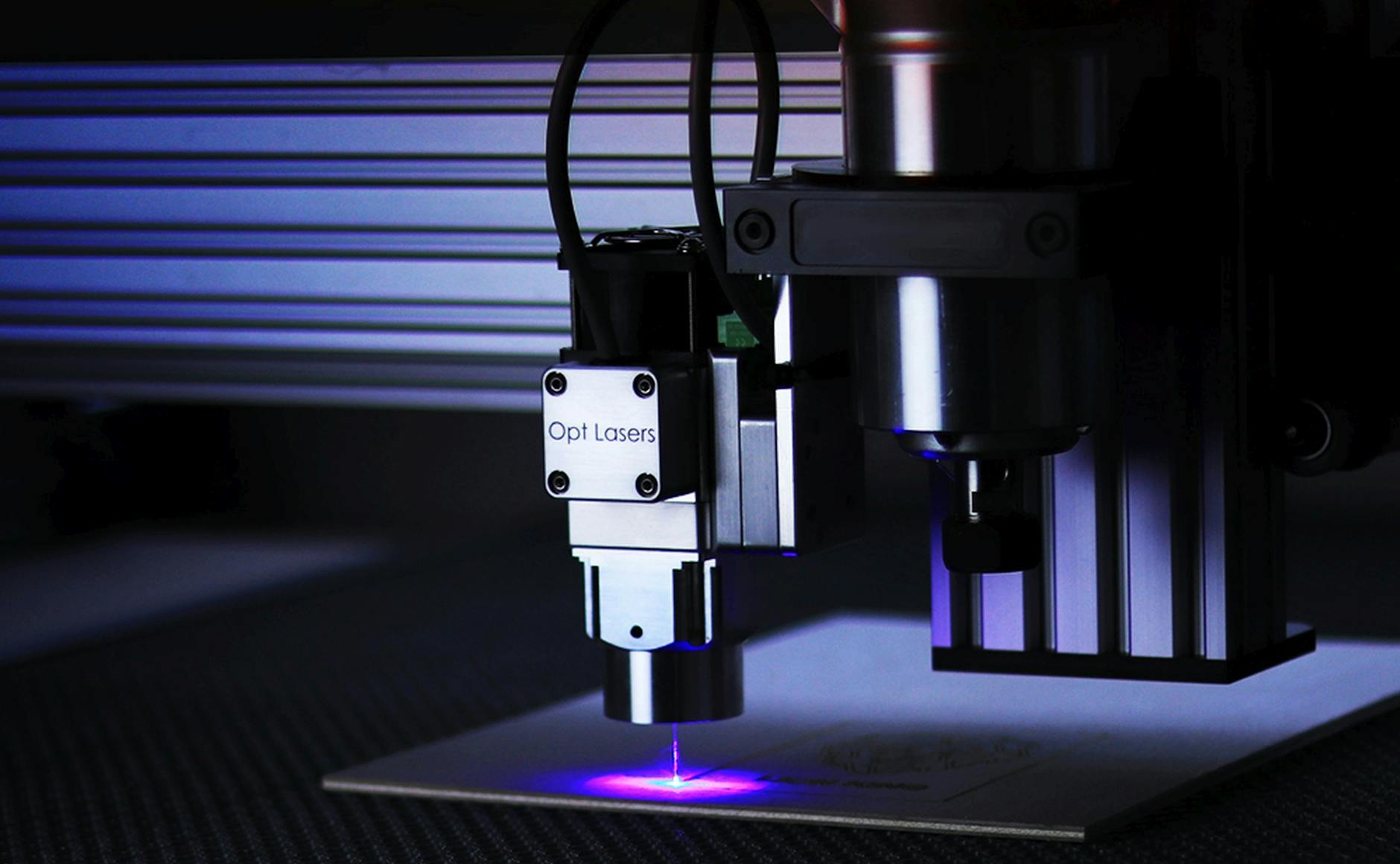
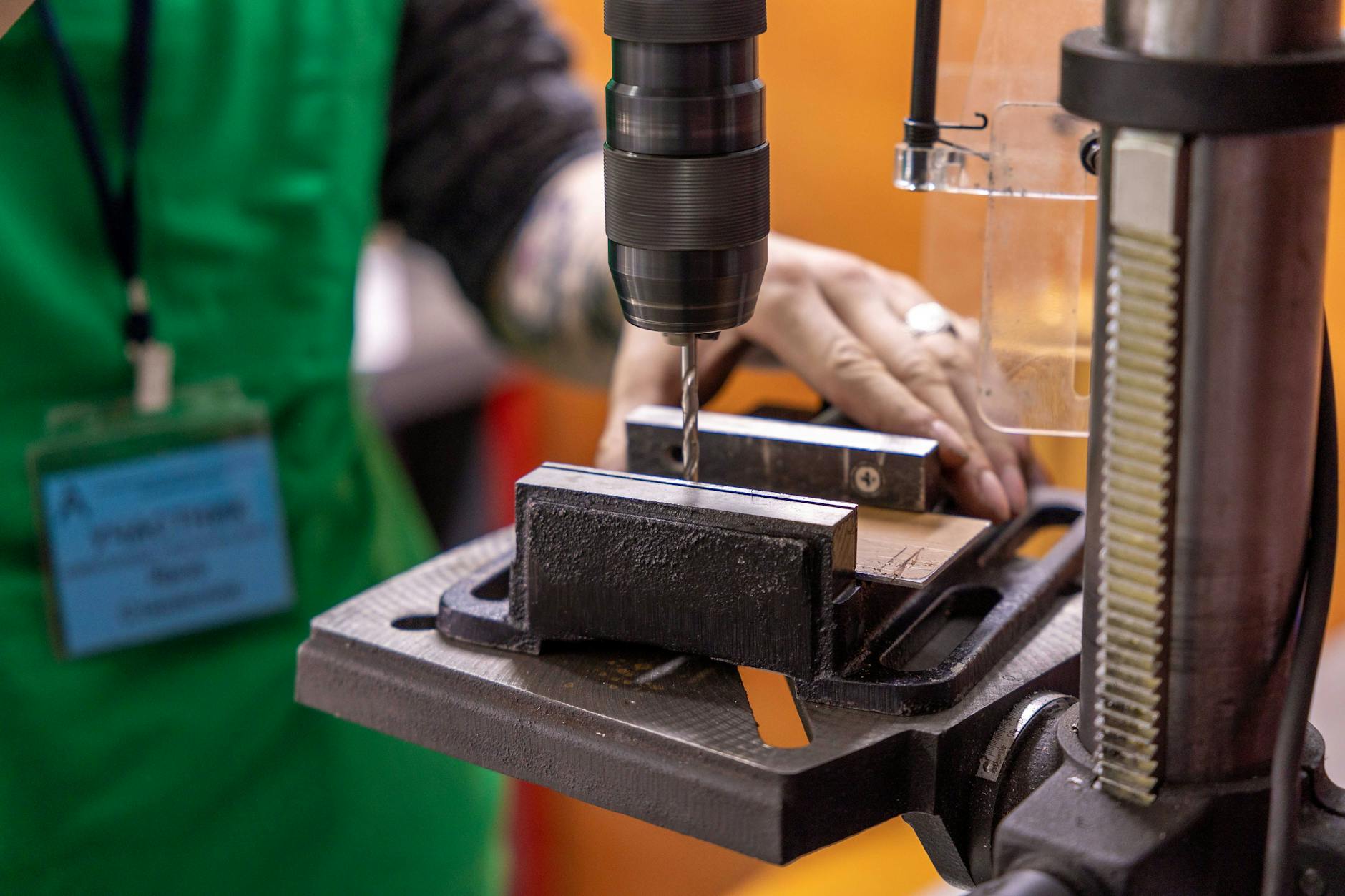
CNC milling is a subtractive manufacturing process that uses rotating cutting tools to remove material from a solid block (or billet) of material. The process is controlled by a computer numerical control (CNC) system, which interprets a CAD (computer-aided design) file and translates it into precise movements of the cutting tool. This allows for the creation of complex shapes and geometries with high accuracy and repeatability.
Unlike additive manufacturing processes like 3D printing, which build parts layer by layer, CNC milling starts with a solid block of material and removes excess material to achieve the desired shape. Common materials used in CNC milling include aluminum, steel, brass, titanium, plastics, and composites. The choice of material depends on the application’s requirements, such as strength, weight, corrosion resistance, and thermal properties.
The CNC milling process typically involves several steps, including design, programming, setup, and machining. During the design phase, a 3D model of the part is created using CAD software. The model is then converted into a CNC program using CAM (computer-aided manufacturing) software. The program specifies the toolpaths, cutting speeds, and feed rates required to machine the part. The setup phase involves securing the material in the CNC milling machine and loading the CNC program. Finally, the machining process begins, with the cutting tool removing material according to the programmed instructions.
The Importance of Tolerances in CNC Milling
Tolerances are a critical aspect of CNC milling, defining the allowable variation in the dimensions of a manufactured part. They specify the acceptable range within which a dimension must fall to ensure the part functions correctly. CNC milling is known for its ability to achieve tight tolerances, making it suitable for applications where precision is paramount.
Tolerances are typically expressed as a plus or minus value from the nominal dimension. For example, a dimension of 1.000″ ± 0.001″ indicates that the actual dimension can range from 0.999″ to 1.001″. The tighter the tolerance, the more precise the manufacturing process must be, and the higher the cost of production. Achieving tight tolerances requires skilled machinists, high-quality CNC milling machines, and careful process control.
Factors that affect the achievable tolerances in CNC milling include the machine’s accuracy, the cutting tool’s condition, the material being machined, and the machining parameters. CNC milling service providers often specify the standard tolerances they can achieve, but tighter tolerances can be achieved with additional effort and cost. Understanding the tolerance requirements of a part is crucial for selecting the appropriate manufacturing process and ensuring the part’s functionality.
When designing parts for CNC milling, it’s essential to consider the functional requirements and specify tolerances that are achievable and cost-effective. Unnecessarily tight tolerances can significantly increase manufacturing costs without providing any functional benefit.
CNC Milling vs. 3D Printing: A Comparative Analysis
CNC milling and 3D printing (additive manufacturing) are both widely used manufacturing processes, but they differ significantly in their capabilities and suitability for different applications. CNC milling excels in producing parts with tight tolerances, smooth surface finishes, and excellent material properties. It is well-suited for manufacturing parts from a wide range of materials, including metals, plastics, and composites. However, CNC milling is limited in its ability to create complex internal geometries and intricate designs.
3D printing, on the other hand, is ideal for creating complex geometries, intricate designs, and customized parts. It allows for the creation of internal features, such as cavities and channels, that would be difficult or impossible to machine using CNC milling. However, 3D printed parts typically have lower tolerances, rougher surface finishes, and weaker material properties compared to CNC milled parts. The range of materials available for 3D printing is also more limited than that for CNC milling.
The choice between CNC milling and 3D printing depends on the specific requirements of the application. If tight tolerances, smooth surface finishes, and strong material properties are essential, CNC milling is the preferred choice. If complex geometries, intricate designs, and customization are the primary concerns, 3D printing may be more suitable. In some cases, a combination of both processes may be used to create a part, with 3D printing used to create the basic shape and CNC milling used to achieve the final dimensions and surface finish.
When CNC Milling is the Superior Choice
Several scenarios favor CNC milling over 3D printing. For parts requiring high precision and tight tolerances, CNC milling is generally the better option. This is crucial in industries like aerospace, medical devices, and automotive, where even slight deviations can impact performance and safety. Parts needing exceptional material strength and durability also benefit from CNC milling, as the process utilizes solid blocks of material, resulting in denser and stronger components compared to many 3D printing methods.
When dealing with large production runs, CNC milling often proves more cost-effective than 3D printing. While 3D printing excels in rapid prototyping and small-batch production, the cost per part can increase significantly with larger quantities. CNC milling, on the other hand, offers economies of scale, making it a more economical choice for mass production. Furthermore, CNC milling is suitable for a broader range of materials, including metals like aluminum, steel, and titanium, which are difficult or impossible to process using some 3D printing techniques.
Surface finish is another area where CNC milling often outperforms 3D printing. CNC milled parts typically have smoother and more consistent surface finishes, which is essential for applications requiring aesthetic appeal or precise fits. While post-processing techniques can improve the surface finish of 3D printed parts, they add extra time and cost to the manufacturing process.
Ideal Part Types for CNC Milling
CNC milling is particularly well-suited for manufacturing a variety of part types. These include housings, brackets, gears, shafts, and manifolds. Housings, which protect internal components, often require precise dimensions and smooth surface finishes, making CNC milling an ideal choice. Brackets, used for structural support, benefit from the high strength and durability achievable through CNC milling. Gears, critical for power transmission, demand tight tolerances and accurate tooth profiles, which CNC milling can provide.
Shafts, used for rotating motion, require precise diameters and smooth surfaces to ensure proper fit and function. Manifolds, which distribute fluids or gases, often have complex internal channels that can be efficiently machined using CNC milling techniques. In general, parts that require high precision, tight tolerances, smooth surface finishes, and strong material properties are well-suited for CNC milling. Additionally, parts that can be easily fixtured and machined from a solid block of material are good candidates for CNC milling.
The selection of a CNC milling service provider is crucial for achieving the desired results. Look for a provider with experience in machining the specific material and part type, as well as access to advanced CNC milling machines and skilled machinists. A reputable provider will also offer design assistance, material selection guidance, and quality control services to ensure the parts meet the required specifications.
Key Takeaways
- CNC milling service
- Precision CNC machining
- CNC vs additive manufacturing
- Manufacturing service
- CNC milling
- 3D printing