What Is FDM 3D Printing and When Should You Use It?
A comprehensive guide to FDM 3D printing for engineers and product designers.
Understanding Fused Deposition Modeling (FDM)
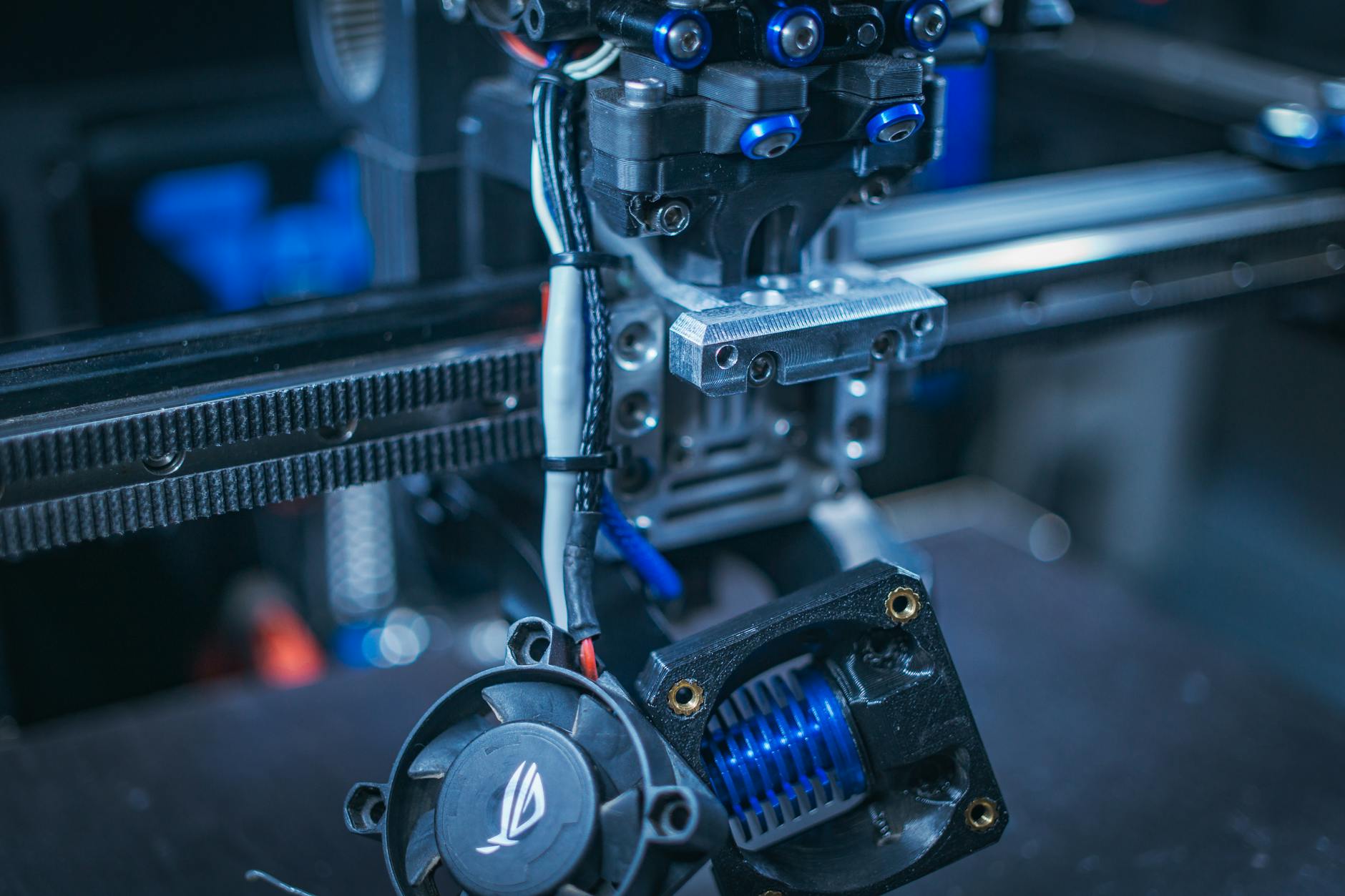
Fused Deposition Modeling (FDM), also known as Fused Filament Fabrication (FFF), is a 3D printing technology that builds parts layer by layer from a thermoplastic filament. It’s one of the most widely used additive manufacturing processes due to its relative simplicity, affordability, and the variety of materials available. In FDM, a filament of thermoplastic material is fed through a heated nozzle, which melts the plastic. The nozzle then moves along a pre-programmed path, extruding the molten plastic onto a build platform. As the plastic cools and solidifies, it adheres to the layer below, gradually building up the 3D object.
The process involves several key components: the filament, the extruder (including the hot end and cold end), the build platform, and the motion control system. The quality of the print depends on factors such as nozzle temperature, print speed, layer height, and the material properties of the filament. FDM printers are available in a wide range of sizes and capabilities, from desktop models for hobbyists to large-scale industrial machines.
Compared to other 3D printing technologies like SLA or SLS, FDM generally offers lower resolution and surface finish. However, it excels in producing functional prototypes and end-use parts with good mechanical properties, particularly when using engineering-grade materials. Its ease of use and lower cost make it an accessible option for many applications.
Materials Used in FDM 3D Printing
A wide range of thermoplastic materials can be used in FDM 3D printing, each offering different properties and suitable for various applications. Common materials include:
- PLA (Polylactic Acid): A biodegradable thermoplastic derived from renewable resources like corn starch or sugarcane. PLA is easy to print, has low warping, and is suitable for prototyping and educational purposes.
- ABS (Acrylonitrile Butadiene Styrene): A strong and durable thermoplastic with good heat resistance. ABS is commonly used for functional parts and enclosures. However, it requires a heated bed and proper ventilation due to its tendency to warp and release fumes during printing.
- PETG (Polyethylene Terephthalate Glycol-modified): A blend of PET and glycol, offering a balance of strength, flexibility, and ease of printing. PETG is resistant to moisture and chemicals, making it suitable for food-contact applications and outdoor use.
- Nylon (Polyamide): A strong and flexible thermoplastic with excellent wear resistance and chemical resistance. Nylon is often used for gears, bearings, and other mechanical components. It requires high printing temperatures and careful drying to prevent moisture absorption.
- TPU (Thermoplastic Polyurethane): A flexible and elastic thermoplastic with high elongation and abrasion resistance. TPU is used for seals, gaskets, and flexible parts.
- Polycarbonate (PC): A very strong and heat-resistant thermoplastic. It’s often used in automotive and aerospace applications.
Beyond these common materials, specialized filaments are also available, including carbon fiber-reinforced composites, metal-filled filaments, and flame-retardant materials. The choice of material depends on the specific requirements of the application, such as strength, temperature resistance, chemical resistance, and flexibility.
When to Use FDM 3D Printing: Ideal Applications
FDM 3D printing is well-suited for a variety of applications, particularly in engineering and product design. Here are some ideal scenarios:
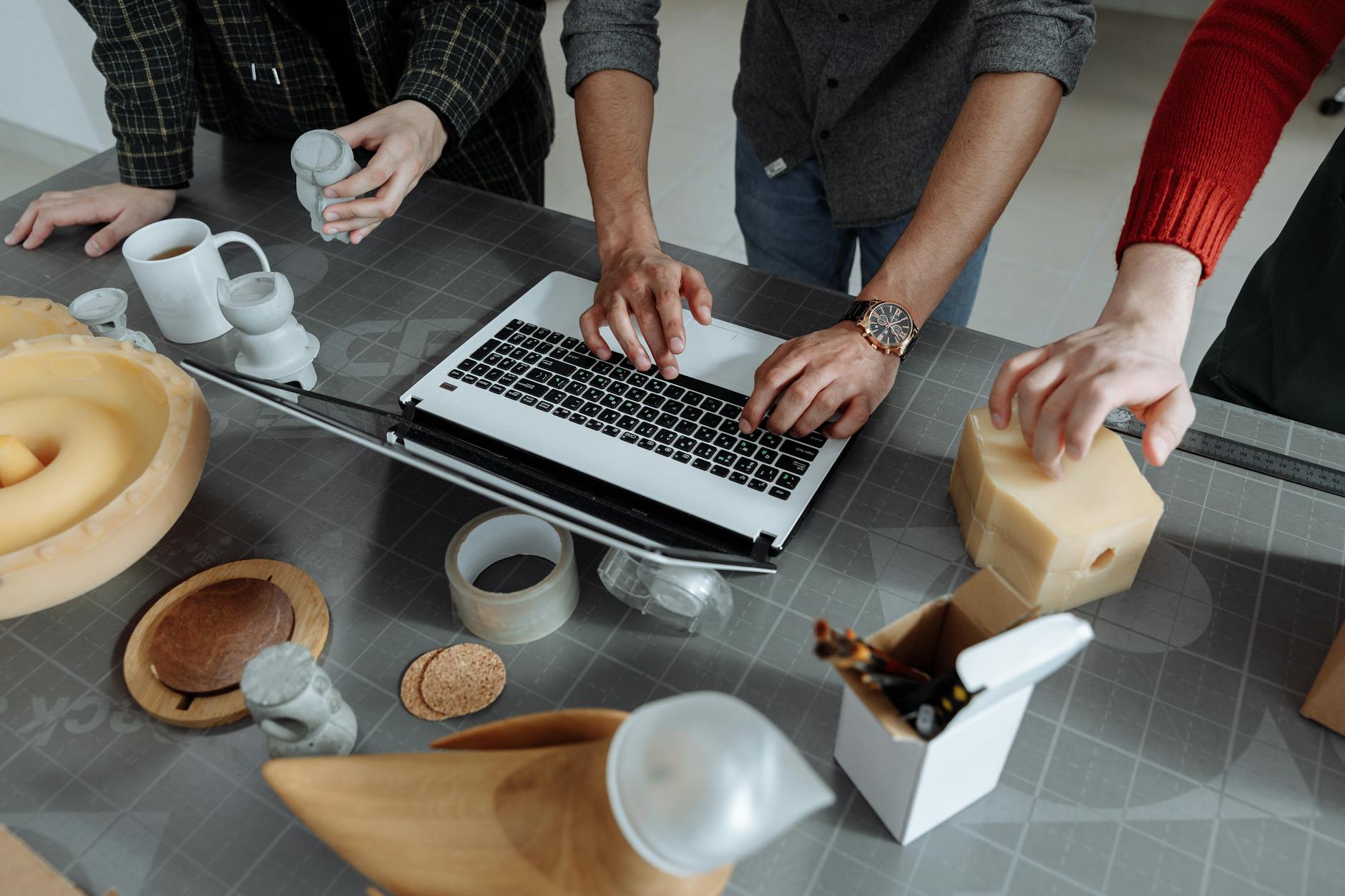
- Rapid Prototyping: FDM’s speed and affordability make it an excellent choice for creating quick prototypes to test designs and iterate on concepts. Engineers can rapidly produce physical models to assess form, fit, and function before committing to more expensive manufacturing processes.
- Functional Prototyping: FDM allows for the use of engineering-grade materials, enabling the creation of functional prototypes that can withstand real-world testing. This is crucial for validating design performance and identifying potential issues early in the development cycle.
- Custom Tooling and Fixtures: FDM can be used to create custom tools, jigs, and fixtures for manufacturing processes. This can significantly reduce lead times and costs compared to traditional machining methods.
- Low-Volume Production: For small production runs or customized products, FDM offers a cost-effective alternative to injection molding or other mass-production techniques.
- End-Use Parts: With the availability of high-performance materials, FDM can be used to produce end-use parts for various applications, such as drone components, robotics parts, and consumer products.
- Educational Purposes: The accessibility and ease of use of FDM printers make them ideal for educational settings, allowing students to learn about 3D printing technology and design principles.
Consider FDM when you need a balance of cost, speed, and material options for prototyping or low-volume production.
Advantages and Disadvantages of FDM
Like any technology, FDM 3D printing has its own set of advantages and disadvantages. Understanding these pros and cons is crucial for determining whether FDM is the right choice for a specific project.
Advantages:
- Cost-Effective: FDM printers and materials are relatively inexpensive compared to other 3D printing technologies.
- Wide Material Selection: A broad range of thermoplastic materials are available, catering to diverse application requirements.
- Ease of Use: FDM printers are generally easy to operate and maintain, making them accessible to a wide range of users.
- Scalability: FDM can be scaled from desktop prototyping to large-scale industrial production.
- Fast Turnaround: FDM allows for rapid prototyping and quick iteration cycles.
Disadvantages:
- Lower Resolution: FDM typically produces parts with lower resolution and surface finish compared to SLA or SLS.
- Layer Lines: The layer-by-layer construction process can result in visible layer lines on the finished part.
- Material Limitations: While a wide range of materials are available, some high-performance materials are not compatible with FDM.
- Warping: Some materials, such as ABS, are prone to warping during printing, requiring careful temperature control and support structures.
- Anisotropic Properties: FDM parts can exhibit anisotropic properties, meaning their strength varies depending on the direction of the applied force.
Weighing these advantages and disadvantages carefully will help you decide if FDM is the best method for your project.
Tips for Successful FDM 3D Printing
To achieve optimal results with FDM 3D printing, consider these tips:
- Choose the Right Material: Select a material that meets the specific requirements of your application, considering factors such as strength, temperature resistance, and chemical resistance.
- Optimize Print Settings: Experiment with different print settings, such as layer height, print speed, and infill density, to find the optimal balance between print quality and print time.
- Use Proper Support Structures: Design and implement appropriate support structures to prevent warping and ensure the successful printing of overhanging features.
- Control Temperature: Maintain consistent temperature control throughout the printing process to minimize warping and ensure good layer adhesion.
- Calibrate Your Printer: Regularly calibrate your printer to ensure accurate and consistent prints.
- Dry Your Filament: Some filaments, such as nylon, are highly hygroscopic and can absorb moisture from the air. Dry your filament before printing to prevent printing issues.
- Consider Part Orientation: The orientation of the part on the build platform can significantly affect its strength and surface finish. Experiment with different orientations to find the optimal configuration.
By following these tips, you can improve the quality and reliability of your FDM 3D prints.
Key Takeaways
- FDM 3D printing
- Fused deposition modeling
- Rapid prototyping
- 3D printing service
- Additive manufacturing