What Is Rapid Prototyping and Why Does Every Product Team Need It?
Accelerate your product development cycle and bring innovative ideas to life faster with rapid prototyping.
Understanding Rapid Prototyping
Rapid prototyping is an iterative product development process that emphasizes speed and efficiency in creating tangible models of designs. Unlike traditional prototyping methods, which can be time-consuming and expensive, rapid prototyping leverages advanced technologies like 3D printing, CNC machining, and laser cutting to quickly produce prototypes. This allows product teams to test and refine their designs in a fraction of the time.
At its core, rapid prototyping is about learning and adapting. It’s a cyclical process where an initial prototype is created, tested, analyzed, and then refined based on the feedback received. This iterative approach enables product teams to identify design flaws, explore alternative solutions, and ultimately create better products that meet user needs and market demands.
The benefits of rapid prototyping extend beyond just speed. It also fosters collaboration, reduces development costs, and minimizes the risk of costly mistakes later in the production process. By allowing stakeholders to visualize and interact with a physical prototype, rapid prototyping facilitates clearer communication and ensures that everyone is on the same page.
The Rapid Prototyping Cycle: A Step-by-Step Guide
The rapid prototyping cycle typically consists of four key stages:
- Design: This initial stage involves creating a digital model of the product using CAD (Computer-Aided Design) software. The design should be as detailed as possible, including all dimensions, features, and materials.
- Prototyping: Once the design is finalized, it’s time to create a physical prototype. This is where technologies like 3D printing come into play. The digital model is sent to a 3D printer, which then builds the prototype layer by layer using materials like plastic, resin, or metal.
- Testing: The prototype is then subjected to rigorous testing to evaluate its functionality, usability, and aesthetics. This may involve user testing, performance testing, and stress testing.
- Analysis & Refinement: The results of the testing phase are then analyzed to identify areas for improvement. Based on the feedback received, the design is modified, and a new prototype is created. This cycle repeats until the design meets all requirements and is ready for mass production.
This iterative process is crucial for identifying and addressing potential issues early on, saving time and resources in the long run.

3D Printing: A Game Changer for Rapid Prototyping
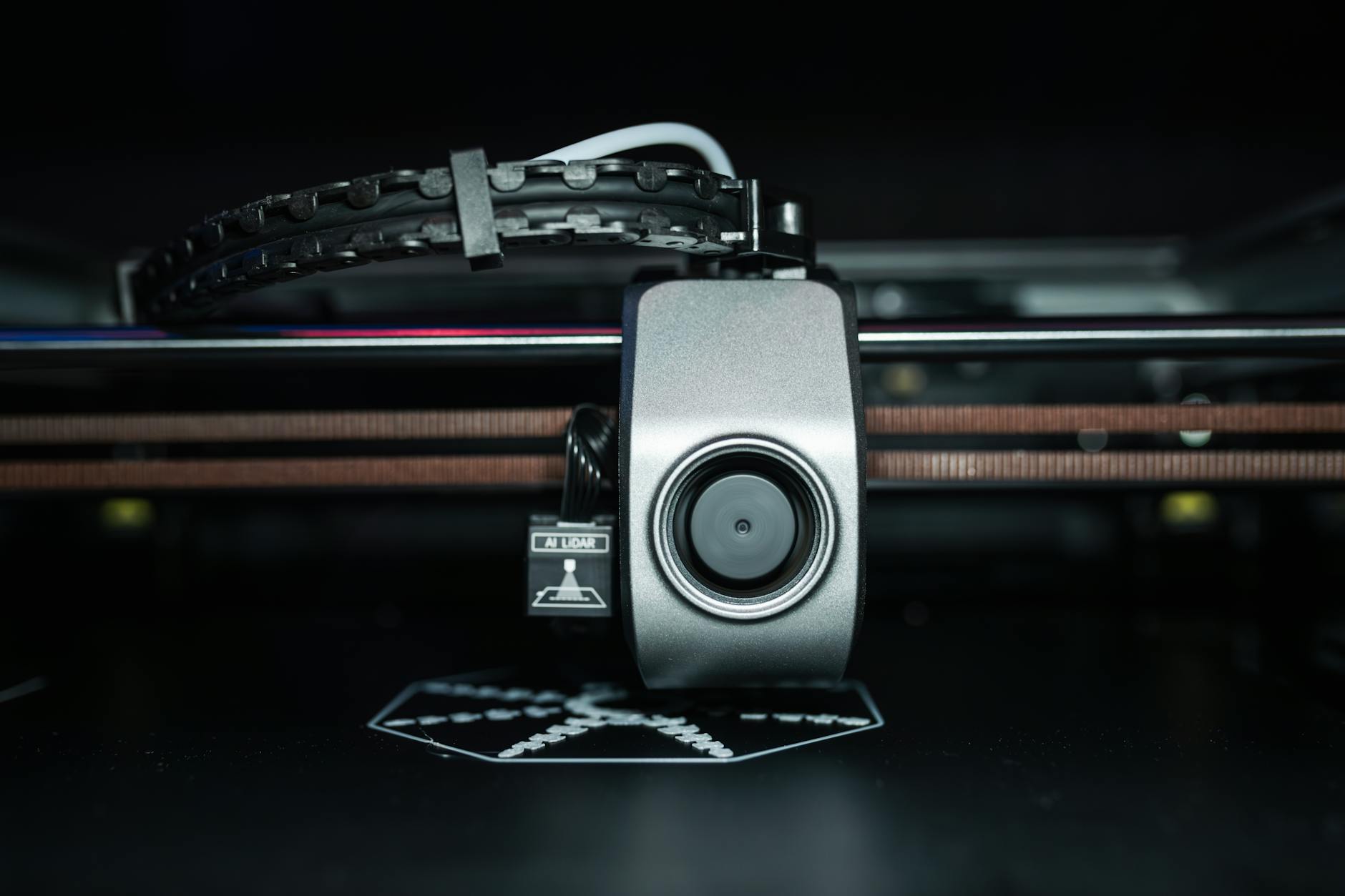
3D printing has revolutionized the field of rapid prototyping. Its ability to create complex geometries and intricate designs with relative ease and speed has made it an indispensable tool for product development teams. Compared to traditional prototyping methods, 3D printing offers several advantages:
- Speed: 3D printing can produce prototypes in a matter of hours, compared to days or weeks for traditional methods.
- Cost-effectiveness: 3D printing eliminates the need for expensive tooling and molds, reducing the overall cost of prototyping.
- Design Flexibility: 3D printing allows for the creation of complex and customized designs that would be difficult or impossible to produce using traditional methods.
- Material Variety: 3D printing supports a wide range of materials, including plastics, resins, metals, and composites, allowing product teams to experiment with different material properties.
By leveraging 3D printing, product teams can iterate on their designs more quickly and efficiently, leading to faster time-to-market and more innovative products.
Why Every Product Team Needs Rapid Prototyping
In today’s competitive market, speed and innovation are essential for success. Rapid prototyping provides product teams with a significant advantage by enabling them to:
- Validate Ideas Quickly: Rapid prototyping allows teams to test their ideas and assumptions early in the development process, reducing the risk of investing in flawed concepts.
- Improve Product Quality: By iterating on designs based on user feedback and testing results, rapid prototyping helps teams create better products that meet user needs and expectations.
- Reduce Development Costs: Identifying and addressing design flaws early on can save significant time and money by preventing costly mistakes later in the production process.
- Accelerate Time-to-Market: Rapid prototyping enables teams to bring products to market faster by streamlining the development process and reducing the time it takes to create functional prototypes.
- Foster Innovation: By providing a platform for experimentation and iteration, rapid prototyping encourages teams to explore new ideas and push the boundaries of what’s possible.
For any product team striving for excellence, rapid prototyping is not just a luxury, but a necessity.
Implementing Rapid Prototyping in Your Workflow
Integrating rapid prototyping into your product development workflow requires a strategic approach. Start by identifying the key areas where prototyping can have the most impact. This might involve focusing on high-risk or complex features of your product. Next, invest in the necessary tools and technologies, such as 3D printers, CAD software, and testing equipment. It’s also crucial to train your team on how to effectively use these tools and interpret the results of prototyping tests.
Establish a clear process for managing the prototyping cycle, including design, printing, testing, analysis, and refinement. Encourage collaboration and communication between team members to ensure that everyone is aligned on the goals and objectives of each prototype. Finally, be prepared to adapt your process based on the lessons learned from each iteration. Rapid prototyping is an ongoing learning experience, and continuous improvement is key to maximizing its benefits.
Consider using a dedicated prototyping lab or partnering with a rapid prototyping service provider to gain access to specialized equipment and expertise. This can be a cost-effective way to accelerate your prototyping efforts and achieve faster time-to-market.
Key Takeaways
- Rapid prototyping
- 3D printing for prototypes
- Product development
- Prototype manufacturing
- Iterative design