
How to Order Custom Parts Online in 5 Simple Steps
Your beginner-friendly guide to navigating the world of online custom part ordering.
Step 1: Define Your Project and Part Requirements
Before you even think about clicking a button, take a moment to clearly define what you need. This is the most crucial step! What is the purpose of your custom part? What problem are you trying to solve? Knowing the answers to these questions will guide you through the entire ordering process.
Specifically, consider these factors:
- Functionality: What will the part do? What forces will it endure?
- Material: What material is best suited for your part’s function? Think about strength, weight, temperature resistance, and cost. Common options include various plastics, metals (aluminum, steel, titanium), and composites.
- Dimensions and Tolerances: Precise measurements are key! Use CAD software or detailed drawings to specify the exact dimensions of your part and the acceptable tolerances (the allowable variation in size).
- Quantity: How many parts do you need? Prices often decrease with larger quantities.
- Finishing: Does the part need a specific surface finish (e.g., polished, painted, anodized)?
Having a clear understanding of these requirements will make the rest of the process much smoother and help you get accurate quotes.
Step 2: Choose the Right Manufacturing Process
Once you know *what* you need, you need to decide *how* it will be made. Several online custom manufacturing options are available, each with its own strengths and weaknesses.
- CNC Machining: Ideal for parts with tight tolerances and complex geometries, typically made from metal or plastic. Offers excellent precision and surface finish.
- 3D Printing (Additive Manufacturing): Great for prototypes and low-volume production of complex shapes. A wide range of materials are available, from plastics to metals.
- Injection Molding: Best for high-volume production of plastic parts. Requires an initial investment in tooling, but per-part costs are low.
- Sheet Metal Fabrication: Suitable for creating parts from thin sheets of metal through processes like cutting, bending, and welding.
Consider the material, complexity, quantity, and budget when choosing a manufacturing process. Many online platforms offer multiple processes, allowing you to compare options.
If you’re unsure, most platforms provide guidance or allow you to consult with their engineering teams for advice. Don’t hesitate to ask!
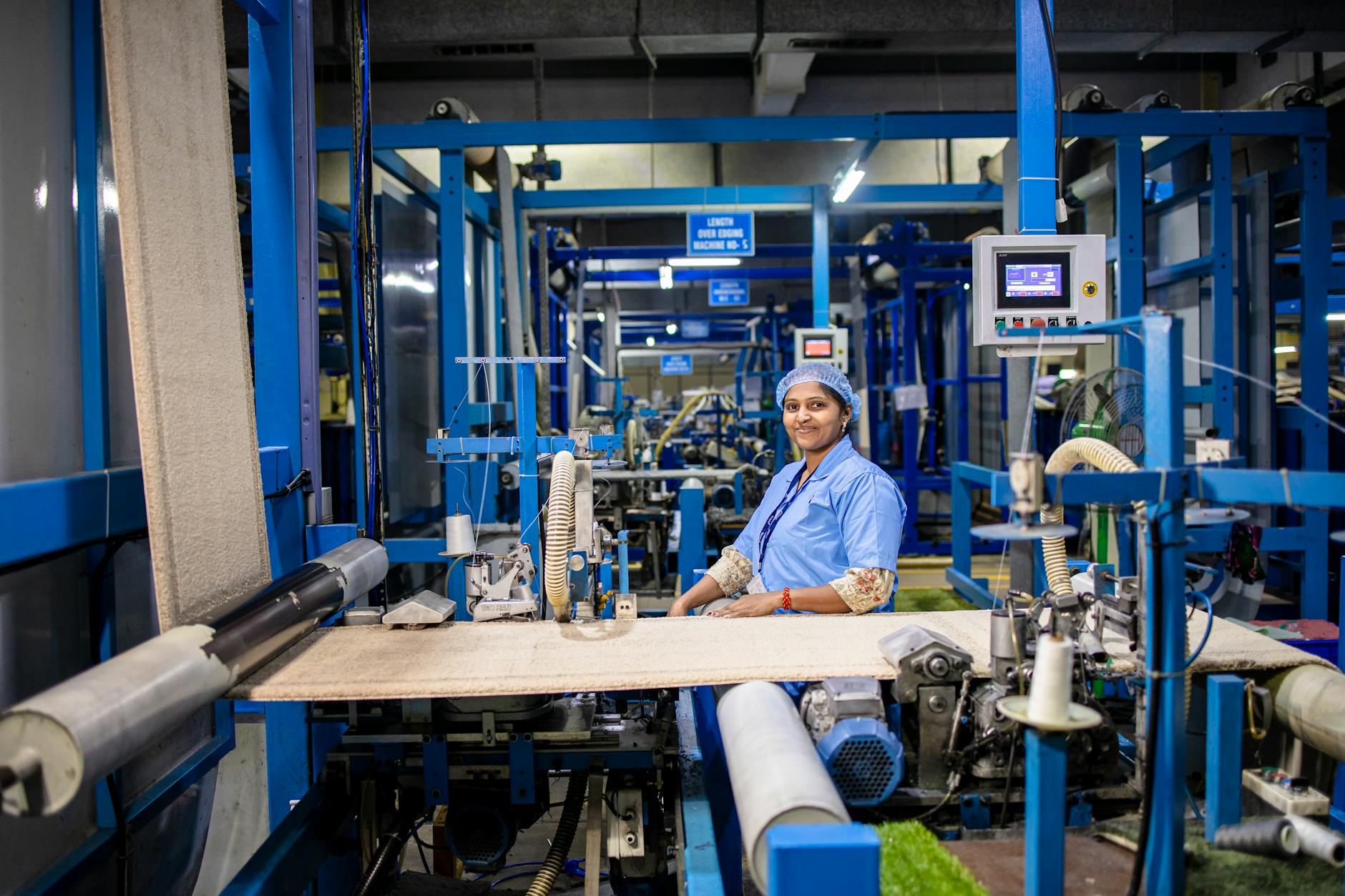
Step 3: Find a Reputable Online Manufacturing Platform
The internet is full of options, so how do you choose a reliable online manufacturing platform? Look for these key features:
- Wide Range of Services: Does the platform offer the manufacturing process you need (CNC, 3D printing, etc.)?
- Instant Quoting: Can you upload your design and get an instant price quote? This saves time and allows for quick iteration.
- Material Selection: Does the platform offer the materials you require?
- Quality Control: What quality control measures are in place to ensure your parts meet specifications?
- Customer Support: Is there readily available customer support to answer your questions?
- Reviews and Testimonials: What are other customers saying about their experience?
Research different platforms, compare their offerings, and read reviews before making a decision. Don’t be afraid to contact their customer support with any questions you may have.
Prodimode is one such platform to consider, offering a wide array of custom manufacturing options with a focus on quality and customer satisfaction.
Step 4: Upload Your Design and Get a Quote
This is where your preparation pays off! Once you’ve chosen a platform, upload your CAD file (e.g., STEP, STL, SolidWorks). Most platforms will automatically analyze your design and provide an instant quote based on the material, manufacturing process, and quantity you’ve selected.
Carefully review the quote to ensure it aligns with your budget. Pay attention to the following:
- Material Cost: The cost of the material itself.
- Manufacturing Cost: The cost of the manufacturing process (e.g., CNC machining time, 3D printing time).
- Finishing Cost: Any additional costs for surface finishing (e.g., polishing, painting).
- Shipping Cost: The cost of shipping the parts to your location.
- Taxes: Any applicable taxes.
Many platforms allow you to adjust parameters like quantity and material to see how they affect the price. Experiment to find the best balance between cost and performance.
Double-check your design for any potential issues that could increase the cost or affect the manufacturability of the part. Some platforms offer design feedback or automated manufacturability checks.
Step 5: Place Your Order and Track Progress
You’ve reviewed the quote, confirmed your design, and are ready to go! The final step is to place your order and provide payment information. Most platforms accept major credit cards and other secure payment methods.
Once your order is placed, you’ll typically receive a confirmation email with an estimated delivery date. Many platforms also offer order tracking, allowing you to monitor the progress of your part through the manufacturing process.
Take advantage of this tracking feature to stay informed about the status of your order. If you have any questions or concerns, don’t hesitate to contact the platform’s customer support team.
And that’s it! You’ve successfully ordered custom parts online. With a little preparation and the right platform, the process can be surprisingly straightforward and efficient.
Key Takeaways
- Order custom parts online
- Online CNC order
- 3D printing order
- Custom manufacturing online
- Rapid prototyping
- Custom parts