
How Amazon Uses Rapid Manufacturing for Hardware Devices
Discover how Amazon accelerates hardware innovation through agile manufacturing processes.
The Need for Speed in Hardware Development
In today’s fast-paced technology landscape, the ability to rapidly prototype and manufacture hardware devices is a critical competitive advantage. Companies like Amazon, known for their innovative hardware like the Echo, Kindle, and Ring, understand the importance of speed in bringing new products to market. Traditional manufacturing processes can be slow and expensive, often involving lengthy lead times for tooling and production runs. This is where rapid manufacturing comes into play, offering a more agile and efficient approach to hardware development.
Rapid manufacturing encompasses a range of techniques, including 3D printing (additive manufacturing), CNC machining, and rapid tooling. These methods allow companies to quickly create prototypes, iterate on designs, and even produce final products in smaller quantities. By embracing rapid manufacturing, Amazon can significantly reduce development cycles, test new ideas faster, and respond more effectively to market demands. The ability to experiment and fail fast is crucial for innovation, and rapid manufacturing provides the necessary tools to do so.
Amazon's Embrace of Additive Manufacturing
Additive manufacturing, or 3D printing, is a cornerstone of Amazon’s rapid manufacturing strategy. This technology allows engineers to create complex geometries and intricate designs that would be difficult or impossible to produce using traditional methods. Amazon utilizes a variety of 3D printing technologies, including Fused Deposition Modeling (FDM), Stereolithography (SLA), and Selective Laser Sintering (SLS), depending on the specific requirements of the project.
The benefits of using additive manufacturing are numerous. It enables rapid prototyping, allowing designers to quickly create physical models of their ideas and test their functionality. It also facilitates design iteration, as changes can be easily implemented and new prototypes printed within hours. Furthermore, additive manufacturing can be used to produce customized parts and components, which is particularly valuable for low-volume production runs or specialized applications. Amazon leverages these capabilities to accelerate the development of its hardware devices and to create innovative solutions for its customers.
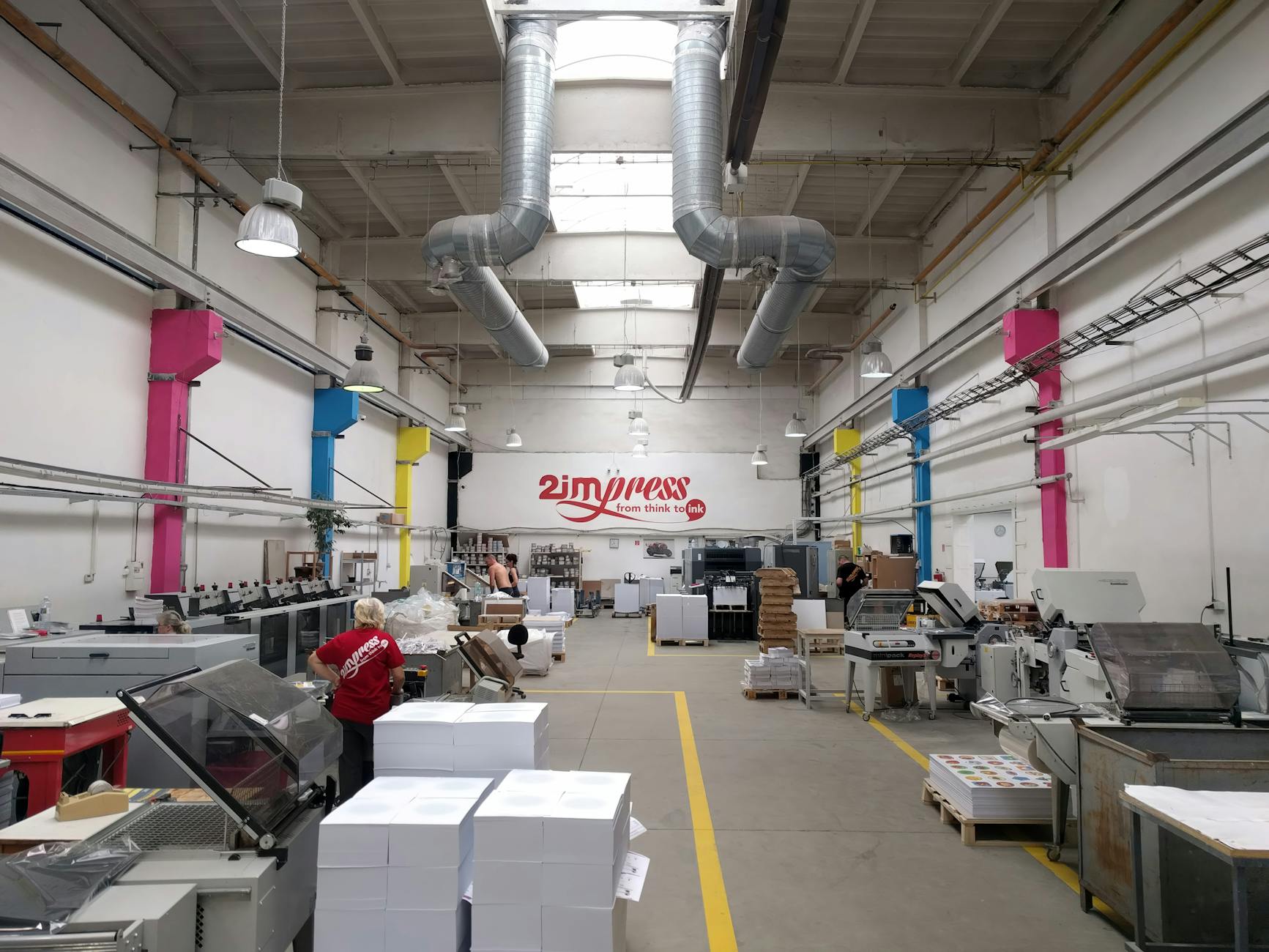

Hardware Rapid Prototyping at Amazon
Hardware rapid prototyping is an essential aspect of Amazon’s product development process. It involves creating functional prototypes of hardware devices to test their performance, identify potential issues, and refine the design before moving to mass production. Amazon’s hardware teams utilize a combination of in-house resources and external partners to rapidly prototype their products. They have invested heavily in equipment and expertise to support their prototyping efforts, including 3D printers, CNC machines, and electronics assembly tools.
The prototyping process typically involves several stages, starting with a conceptual prototype that demonstrates the basic functionality of the device. This is followed by more refined prototypes that incorporate the final design and materials. Throughout the prototyping process, Amazon’s engineers conduct rigorous testing to ensure that the device meets performance requirements and is reliable. Rapid prototyping allows Amazon to identify and address potential problems early in the development cycle, saving time and money in the long run. This iterative approach to design and development is crucial for creating innovative and high-quality hardware devices.
Real-World Examples: Kindle and Echo Development
The development of Amazon’s Kindle e-reader and Echo smart speaker provides compelling examples of how rapid manufacturing and hardware rapid prototyping are applied in practice. During the Kindle’s development, Amazon utilized 3D printing to create numerous prototypes, allowing designers to experiment with different form factors, materials, and user interfaces. This iterative process helped them to refine the design and create a device that was both functional and aesthetically pleasing.
Similarly, the Echo’s development involved extensive use of rapid prototyping to optimize its audio performance and voice recognition capabilities. Amazon’s engineers created numerous prototypes of the Echo’s speaker system and microphone array, testing them in different environments to ensure optimal performance. They also used rapid prototyping to develop and test different industrial designs, ultimately selecting the iconic cylindrical shape that is now synonymous with the Echo brand. These examples demonstrate the power of rapid manufacturing and hardware rapid prototyping in accelerating product development and creating successful hardware devices.
The Future of Manufacturing at Amazon
Amazon’s commitment to rapid manufacturing is not just a trend; it’s a strategic investment in the future of hardware development. As technology continues to evolve at an accelerating pace, the ability to quickly prototype and manufacture new devices will become even more critical. Amazon is likely to continue investing in advanced manufacturing technologies, such as artificial intelligence (AI) and machine learning (ML), to further optimize its manufacturing processes. These technologies can be used to automate design optimization, predict manufacturing defects, and improve overall efficiency.
Furthermore, Amazon may explore new manufacturing paradigms, such as distributed manufacturing, where production is decentralized and localized. This approach could enable Amazon to respond more quickly to regional demand and reduce transportation costs. By embracing these emerging technologies and manufacturing models, Amazon can maintain its competitive edge and continue to innovate in the hardware space. The future of manufacturing at Amazon is likely to be characterized by greater agility, efficiency, and customization, driven by the power of rapid manufacturing and advanced technologies.
Key Takeaways
- Amazon manufacturing
- Hardware rapid prototyping
- Rapid manufacturing
- Additive manufacturing big companies
- Amazon hardware
- Product development
- Manufacturing innovation