Hello world!
Welcome to WordPress. This is your first post. Edit or delete it, then start writing!

Welcome to WordPress. This is your first post. Edit or delete it, then start writing!
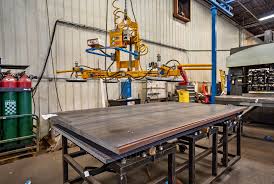
Understanding Sheet Metal Fabrication Sheet metal fabrication is the process of transforming flat sheets of metal into desired shapes and structures. This versatile process is essential for creating a wide range of products across numerous industries, including aerospace, automotive, construction, and electronics. The process typically involves cutting, bending, and finishing operations to achieve the required…

The Rise of Additive Manufacturing in Aerospace The aerospace industry is constantly striving for improved performance, reduced weight, and enhanced fuel efficiency. Additive manufacturing, commonly known as 3D printing, has emerged as a transformative technology capable of addressing these critical needs. By building parts layer by layer from digital designs, 3D printing enables the creation…
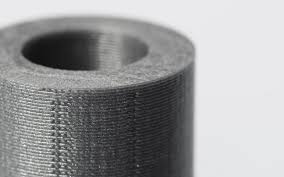
Understanding Material Properties for 3D Printing Selecting the right 3D printing material is paramount to the success of your project. The material dictates the part’s strength, flexibility, temperature resistance, and overall aesthetic. Before diving into specific materials, it’s crucial to understand key properties that influence your choice. Consider these factors: Tensile Strength: The material’s ability…

The Dawn of On-Demand Spare Parts The spare parts industry has long been plagued by inefficiencies: large inventories, obsolescence, long lead times, and complex logistics. Traditional manufacturing processes often require minimum order quantities, making it expensive to produce small batches of specialized parts. However, a new paradigm is emerging, driven by the transformative power of…

Understanding Snap Fit Design Principles for 3D Printing Snap fits are a versatile and efficient method for joining 3D printed parts without the need for fasteners, adhesives, or specialized tooling. The fundamental principle behind a snap fit lies in utilizing a temporary deformation of one or more parts to create a mechanical interlock. This interlock…

Ignoring Minimum Wall Thickness One of the most frequent errors is designing parts with walls that are too thin for the chosen 3D printing technology. Insufficient wall thickness leads to weak, fragile parts that are prone to breakage during printing or post-processing. Each 3D printing process has its own minimum wall thickness requirements. For example,…

Hi, this is a comment.
To get started with moderating, editing, and deleting comments, please visit the Comments screen in the dashboard.
Commenter avatars come from Gravatar.